
Last updated November 23, 2026
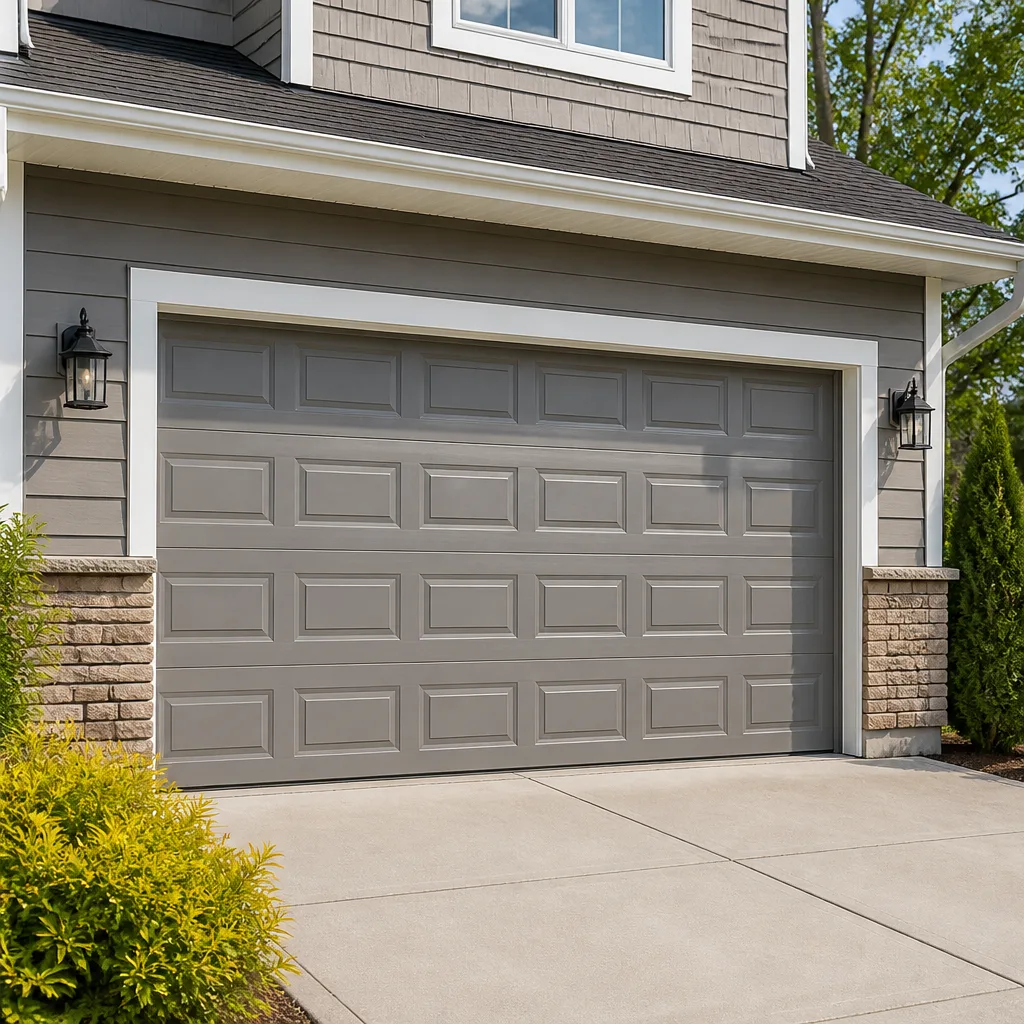 Raised-panel steel
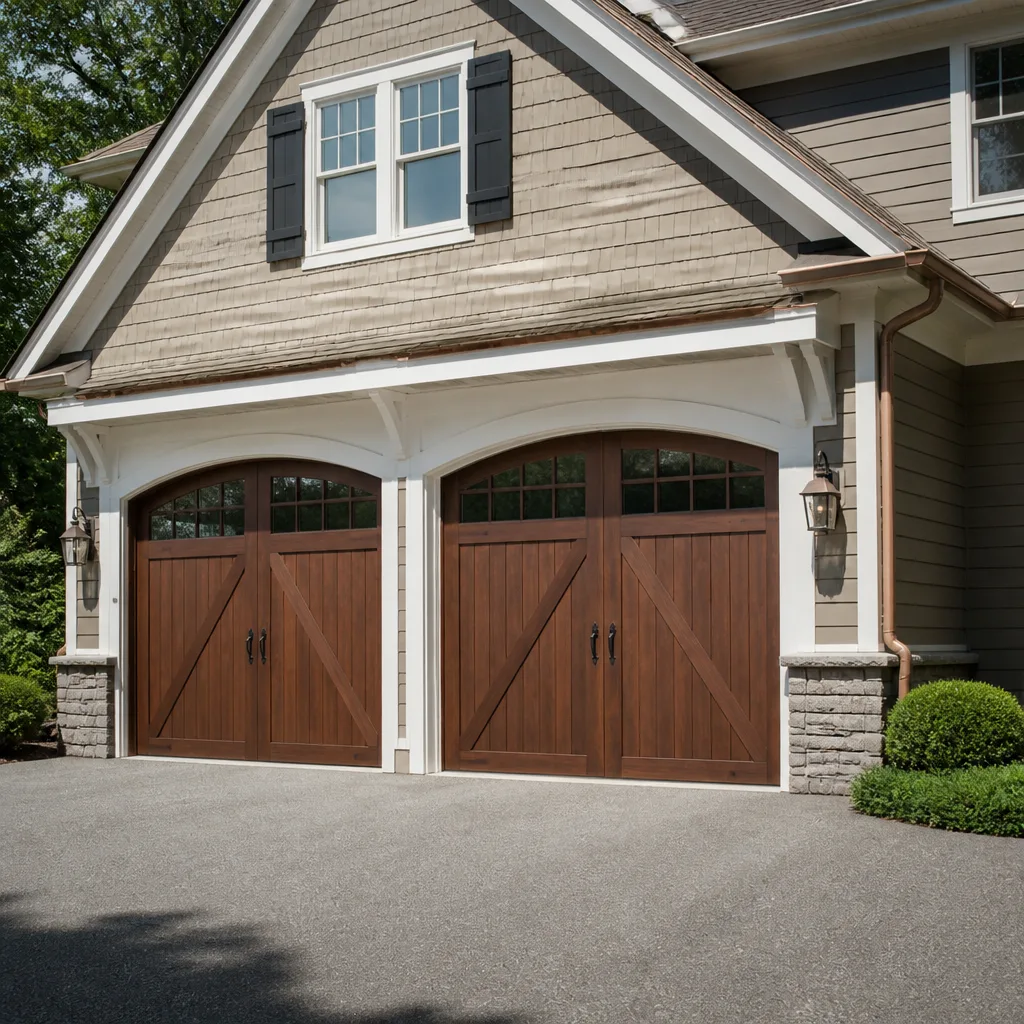 Carriage house
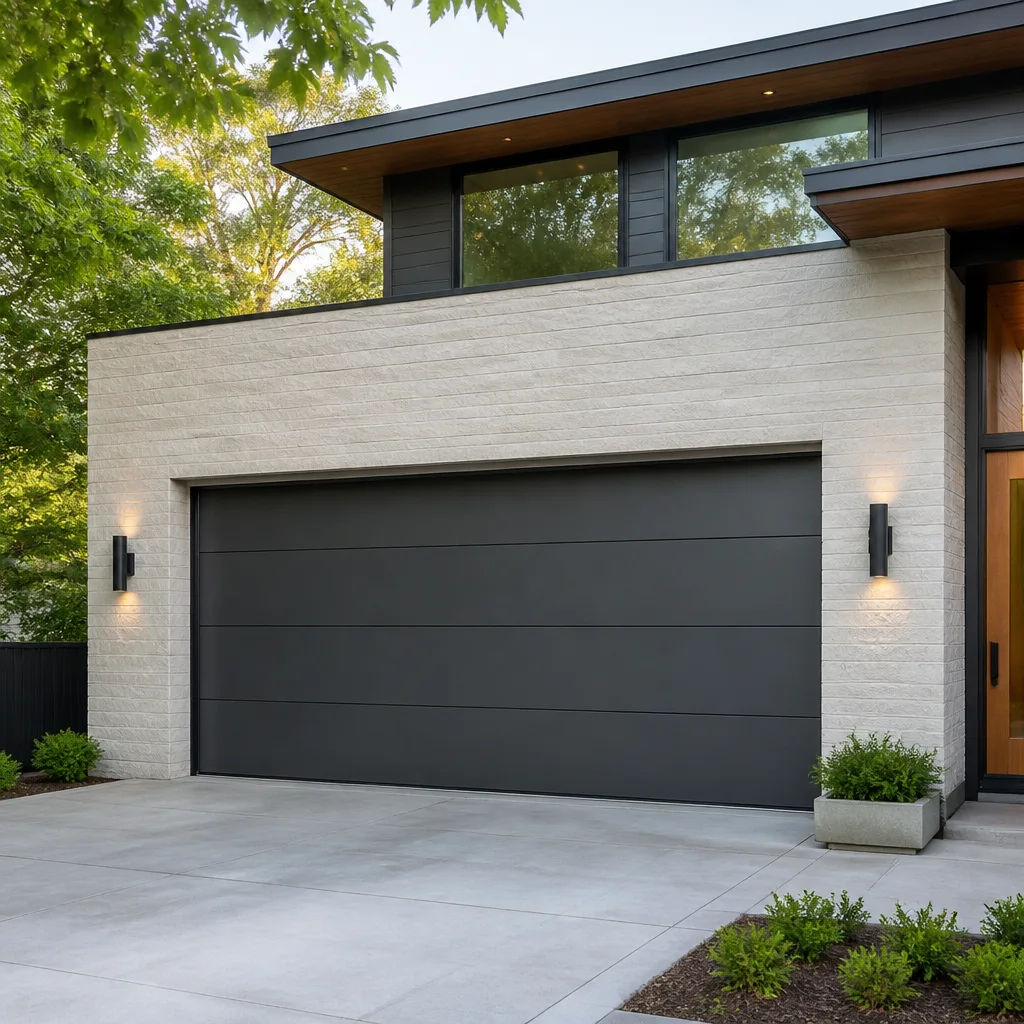 Modern flush
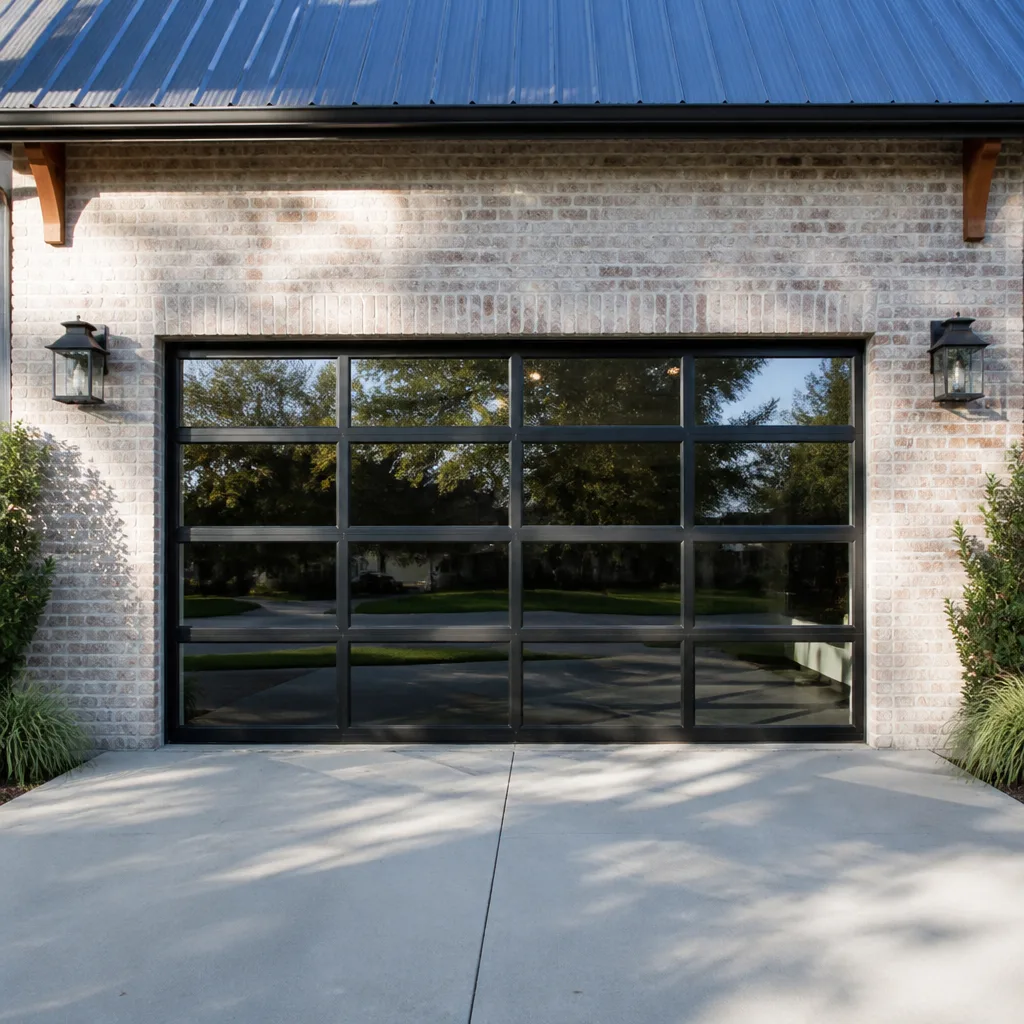 Full-view glass
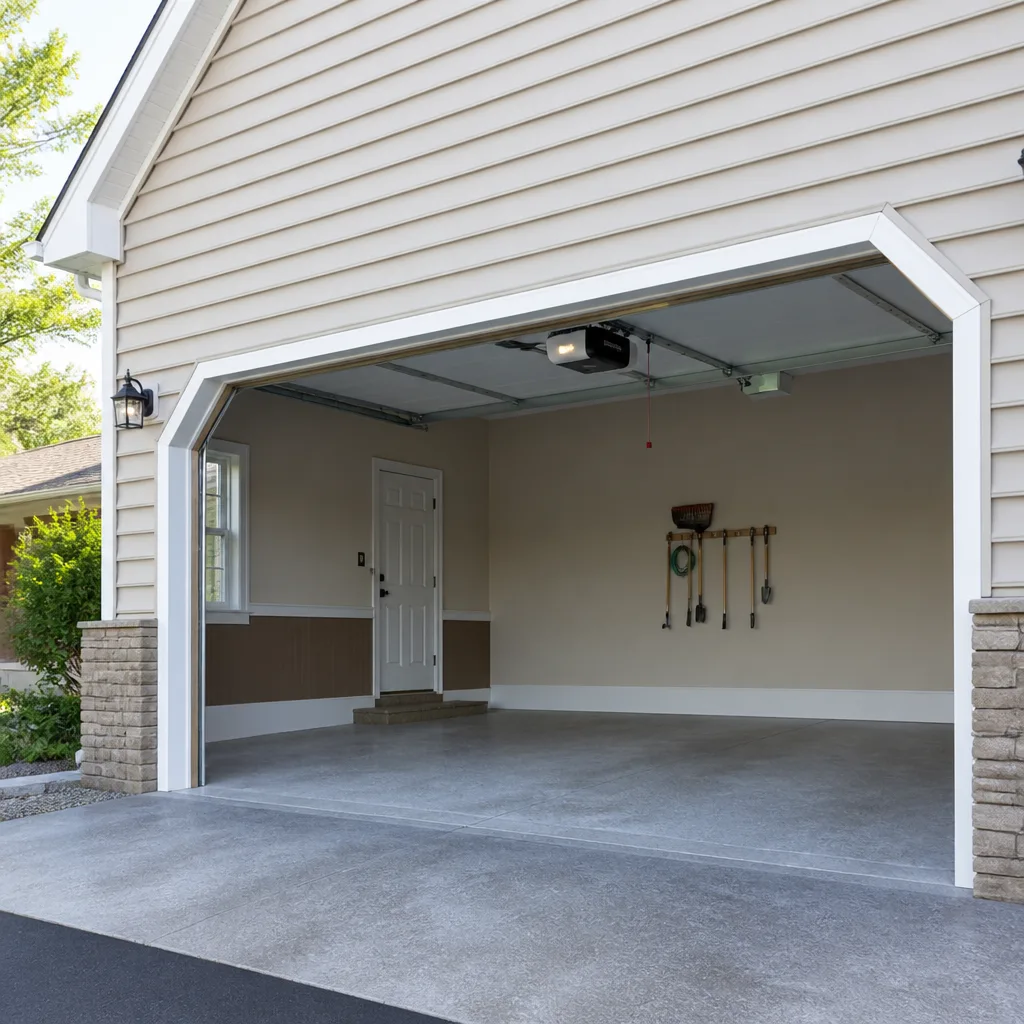 LiftMaster openers
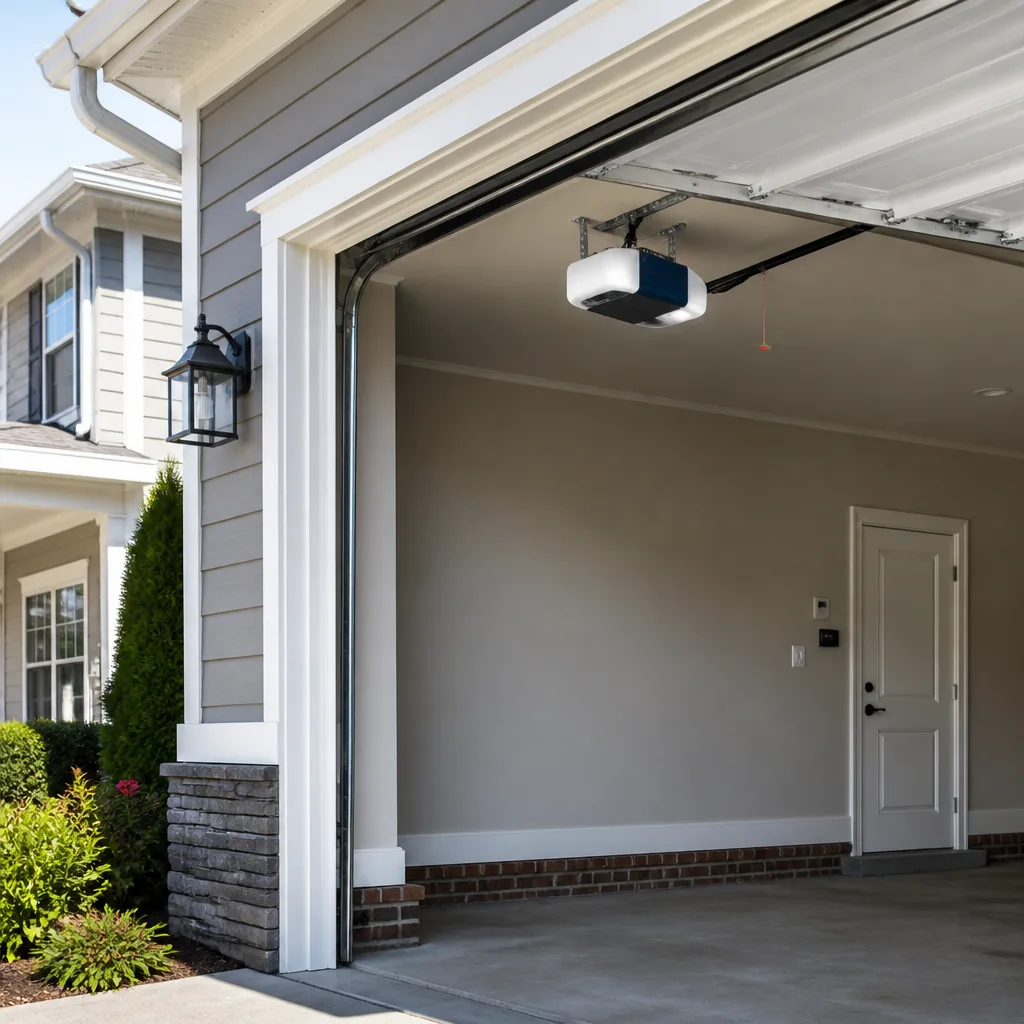 Chamberlain openers
Full 25-point door and opener safety check with every visit - springs, cables, rollers, tracks, and your LiftMaster or Chamberlain opener included
You get a price before we start. It does not change when the pro arrives.
Get your free estimateSeasonal Garage Door Care for Deerfield Beach: Year-Round Homeowner’s Guide
Most garage door maintenance advice you’ll find online was written for places with four real seasons, where the big enemy is ice. Deerfield Beach doesn’t have that problem. Our doors face something different: a hurricane season that runs June through November, summer humidity that sits above 85% for weeks, and mild winters that quietly let rubber seals bake in the sun. The result is that the “seasonal” calendar for a Deerfield Beach garage door doesn’t track temperature. It tracks storms, salt-free but humid air, and low-angle winter sun. This guide walks you through what to check in each window of the year, what to leave to a trained technician, and how to spot a problem before it strands your car.
Quick Answer
Seasonal garage door care in Deerfield Beach follows a storm-driven calendar rather than a temperature-driven one. The most important tasks are a full hardware and wind-load check in May before hurricane season opens on June 1st, a structured inspection in the 48 hours after any tropical event, humidity control on exposed metal through the July-to-September stretch, and cable and spring work saved for the drier November-to-March window. Winter is when UV damage to bottom seals is quietly at its worst, so it’s a season to inspect, not to ignore.
Styles & brands we work with
- Raised-panel steel
- Carriage house
- Modern flush
- Full-view glass
- LiftMaster openers
- Chamberlain openers
Table of Contents
- May: The Pre-Hurricane Season Checklist
- After the Storm: The 48-Hour Inspection
- Summer Humidity and Exposed Metal (July-September)
- The Dry Season Window: November Through March
- Why Mild Winters Create a False Sense of Security
- The Monthly Five-Minute Walk-Around
- Common Mistakes to Avoid
- When to Call a Professional
May: The Pre-Hurricane Season Checklist
June 1st is the official start of hurricane season, and it’s the single most important date on a Deerfield Beach homeowner’s garage door calendar. The trouble is that most people spend May thinking about shutters and water, not the door that covers the largest opening in the house. A garage door is a big flat panel held by springs and rollers, and in a wind event it’s the part of the structure most likely to fail first if the hardware has worked loose over the year.
May is the right month because you still have weeks to order parts or book a technician before the season peaks. Here’s what to cover:
- Torque check on hinges and brackets. Vibration from daily use loosens bolts gradually. Go around the inside of the door with a socket set and snug every hinge bolt and bracket fastener. Don’t overtighten; you’re checking for movement, not forcing.
- Wind-load rating confirmation. If your door was installed to a specific wind-load rating, confirm the rating still applies and that no aftermarket parts have compromised it. A permit or product label usually states the rating.
- Emergency release cable inspection. The red-handle release should move freely and the cable should be intact and properly routed. In an emergency you need it to work on the first pull.
- Roller and track check. Look for flat spots on steel rollers and any gap where the door meets the track. A door that shudders on the way up is telling you something.
- Weatherstripping and bottom seal. A tired bottom seal lets wind-driven rain in and weakens the door’s seal against pressure.
If any of that feels beyond a visual check, a pre-season tune-up is money well spent. The garage door repair team can torque, align, and confirm wind-load hardware in a single visit, well before the first named storm forms.
After the Storm: The 48-Hour Inspection
Once a tropical system passes, the natural instinct is to clear debris and move on. Resist that. Damage from wind and driven rain often shows up as small misalignments that get worse over the following days, so the 48-hour window after the storm is when you want to look carefully.
Here’s the inspection sequence we recommend:
- Track alignment. Stand inside and sight down each vertical track. It should be straight and parallel. A track knocked slightly out of plumb will make the door bind within a week.
- Panel integrity. Look for dents, separation at the seams, and any panel that sits proud of its neighbors. On a door rated for wind, a bent panel can reduce that rating.
- Sensor function. Clear any debris from the photo-eye lenses on both sides of the opening, then test by passing an object through the beam while the door closes. It should reverse immediately. If it doesn’t, stop using the opener until it’s fixed.
- Spring and cable condition. Look for a visible gap in a torsion spring or a cable that’s jumped its drum. Do not touch either one.
- Water intrusion. Check the bottom seal and the threshold for signs that driven rain got in. That tells you the seal is past its best.
If the storm left the door stuck open or off its tracks, don’t force it. Call (866) 937-7969. We answer 24/7, with fast dispatch from 7am to 7pm, Sunday through Friday. A door that’s half-open is a security gap as much as a mechanical fault.
Summer Humidity and Exposed Metal (July-September)
Through July, August, and September, relative humidity in Deerfield Beach regularly climbs past 85%. That’s the stretch when the exposed metal on your garage door works hardest. Humidity doesn’t just make things feel damp; it accelerates surface oxidation on bare steel and slowly degrades the lubricant on springs, hinges, and rollers. A door that ran quietly in April can start squealing by August without anything actually breaking.
What you can reasonably do yourself:
- Wipe down hinges and roller stems with a dry cloth to clear grit, then apply a light coat of garage-door-specific lubricant. Avoid heavy grease, which traps dust.
- Check the bottom seal for softness or cracking. High humidity softens rubber and lets it pull away from the door.
- Keep the track clean and dry. Wipe the inside of each track and check that the weep holes at the base of the door are clear so water drains.
- Listen. New noises in summer are usually lubrication or a roller wearing, and both are cheap to address early.
What you shouldn’t do is spray lubricant on the torsion spring coils themselves without knowing the spring type and tension. A wound torsion spring stores enormous energy, and working around one is how people get seriously hurt. Leave spring lubrication to a technician. Our garage door spring repair specialists handle that safely and check the whole assembly while they’re in there.
The Dry Season Window: November Through March
The cooler, drier months are the best window of the year for the jobs that need the door to be stable and the humidity low. Rust treatments cure better, lubricants stay put longer, and if a part has to be ordered, you’re not racing a storm. This is when to schedule the heavier maintenance items.
Tasks that belong in the dry season:
- Cable replacement. If your cables show fraying or kinks, the dry months are the time to swap them. Cables under tension are not a homeowner job; they belong to a trained technician.
- Spring lubrication and inspection. A proper spring service extends the life of the assembly and heads off the sudden snap that always seems to happen at the worst moment.
- Roller replacement. Nylon rollers wear more slowly than steel, and a full set is an easy upgrade in the dry months.
- Balance test. Disconnect the opener and lift the door halfway by hand. A properly balanced door should hold roughly where you leave it. If it slams down or won’t stay up, the springs need attention.
- Opener service. Check the drive belt or chain tension, test the safety reverse, and confirm the force settings are within spec. If your opener is a LiftMaster, Chamberlain, Genie, or Craftsman unit, we know the adjustments for each. For Raynor and Wayne Dalton openers, the same applies. If your opener is misbehaving, garage door opener repair covers everything from a dead remote to a motor that reverses for no reason.
Why Mild Winters Create a False Sense of Security
Here’s the counterintuitive part: in Deerfield Beach, the mild winter is when UV damage does its quietest work. Cold-climate guides tell you to worry about frozen seals and ice. We don’t have that. What we do have is a lower sun angle from December through February that hits the bottom seal and weatherstripping at a more direct angle than the summer sun does. The result is that rubber seals crack and weatherstrip peels during the months when nobody’s thinking about the garage door at all.
Check these in winter:
- Bottom seal. Run your hand along the underside and look for cracks, hardening, or gaps at the corners. A cracked seal invites water and pests and weakens the door’s closure.
- Perimeter weatherstripping. Look at the side and top seals for separation or peeling paint. That’s usually UV degradation rather than mechanical damage.
- Panel finish. Low-angle sun shows up fading and chalking on painted steel panels. On an Amarr or Clopay door, the factory finish is durable but not permanent, and touching up early prevents rust.
- Window inserts. On doors with glazing, check the frames for cracking, which is often UV-related rather than impact-related.
Winter is a season to inspect, not to assume. A ten-minute look in January catches problems that would otherwise show up as a leak or a rattle in June.
The Monthly Five-Minute Walk-Around
Between the big seasonal tasks, a five-minute check each month keeps small problems from becoming expensive ones. It’s the highest-value habit on this whole page, and it costs nothing but a little attention.
- Open and close the door once while you watch it. Listen for new sounds and watch for jerky movement.
- Test the safety reverse. Place a roll of paper towels in the path and confirm the door reverses on contact, and test the photo-eye beam separately.
- Check the balance. Disconnect the opener (pull the release) and lift the door by hand to mid-height. It should hold.
- Look at the tracks. Sight down each track for bends or debris.
- Inspect the seal and hinges. A quick visual pass catches most developing issues.
Do this on the same day each month and you’ll notice trends instead of surprises. It’s also the single best way to know when to book a technician. If your monthly check keeps turning up the same small issue, that’s a signal, not a coincidence.
Common Mistakes to Avoid
- Forcing a door that’s off its tracks. Pushing or pulling a misaligned door can bend the panels and turn a track adjustment into a full replacement. Stop and call.
- Ignoring the garage door during hurricane prep. Shutters and sandbags get all the attention, but the door is the largest opening in the house. Add a hardware check to your May list.
- Skipping the post-storm inspection. Damage from a tropical system often shows up days later as a track that’s out of plumb. Look in the first 48 hours.
- Lubricating the torsion spring yourself. The spring stores immense energy. A wound spring can injure you badly if it slips. Leave it to a technician.
- Assuming mild winters mean no maintenance. Low-angle sun is hard on rubber seals, so winter is when bottom seals and weatherstripping degrade fastest in Deerfield Beach.
- Using the wrong lubricant in the humid months. Heavy grease traps grit; use a light, garage-door-specific product and wipe the tracks clean.
- Patching a weatherstrip with tape. Tape won’t hold against driven rain and can hide a seal that needs replacing.
When to Call a Professional
Some jobs are fine for a careful homeowner: wiping tracks, testing the safety reverse, checking bolts. But several situations should always go to a trained technician. Call us if you see a broken or visibly gaping torsion spring, a cable that’s jumped a drum or is fraying, a door that’s come off its tracks, panels that are separating or bent after a storm, an opener that reverses for no reason, or a door that won’t balance by hand. Any of these involves stored mechanical energy that can hurt you if it releases unexpectedly. We also recommend a professional inspection before hurricane season if you can’t confirm your wind-load hardware is intact. In Deerfield Beach Garage Door Repair Co offers free estimates in Deerfield Beach. Call (866) 937-7969. Our technicians have up to 15 years of experience and are fluent in the major brands, so your LiftMaster, Chamberlain, or Clopay system is already in scope.
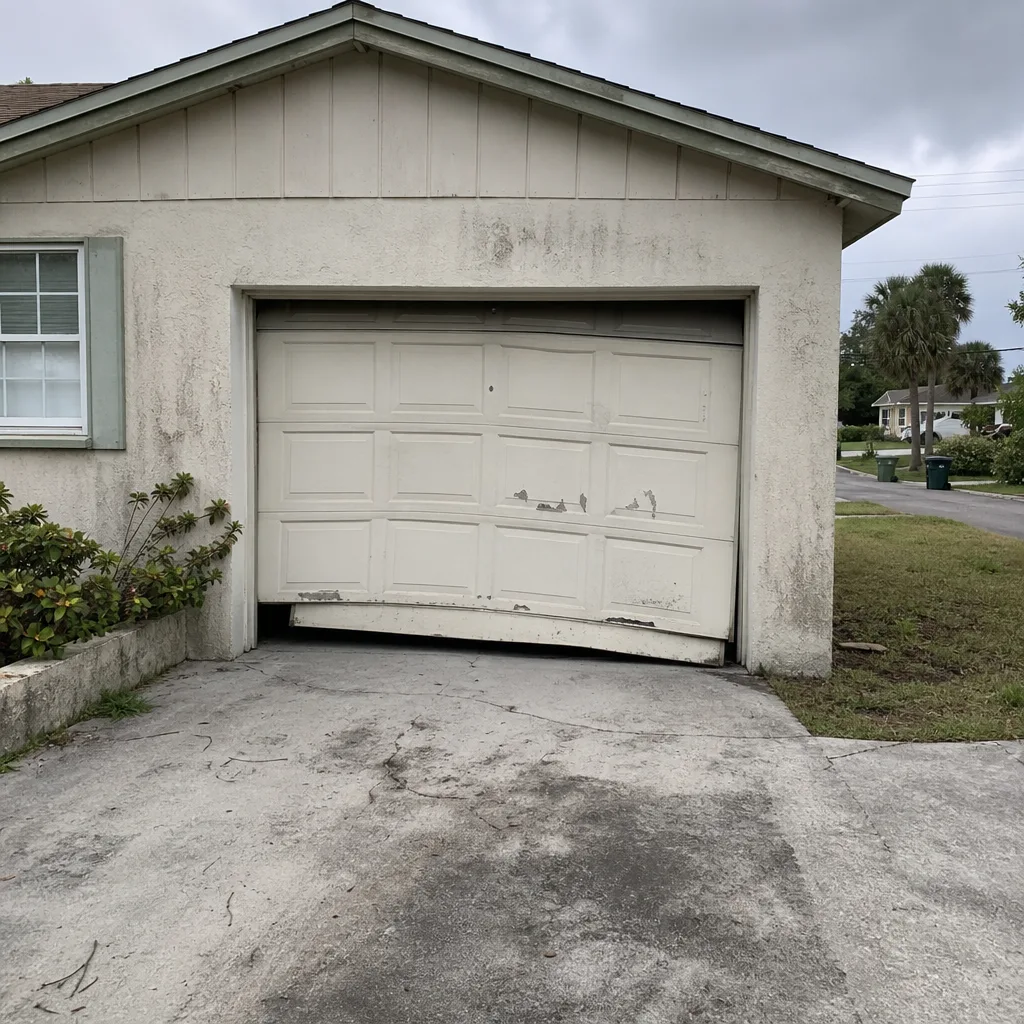
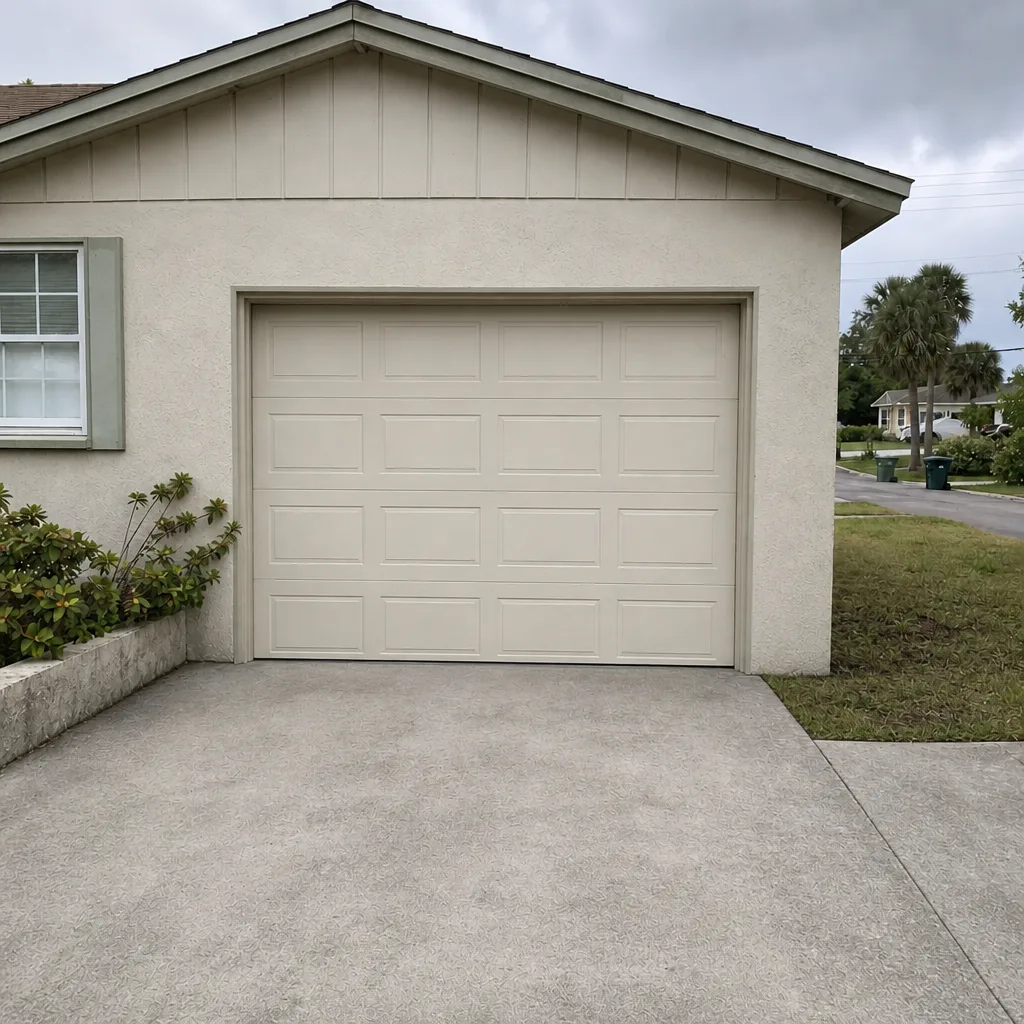
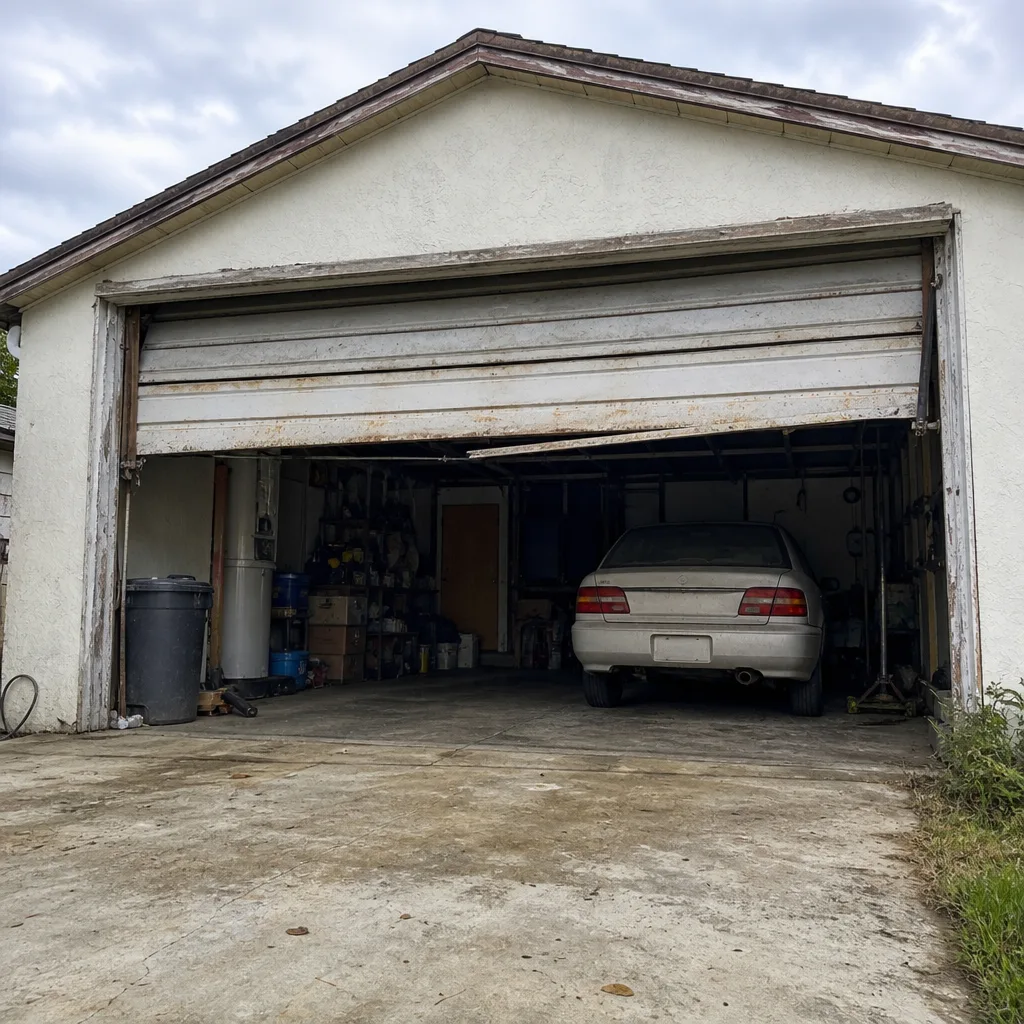
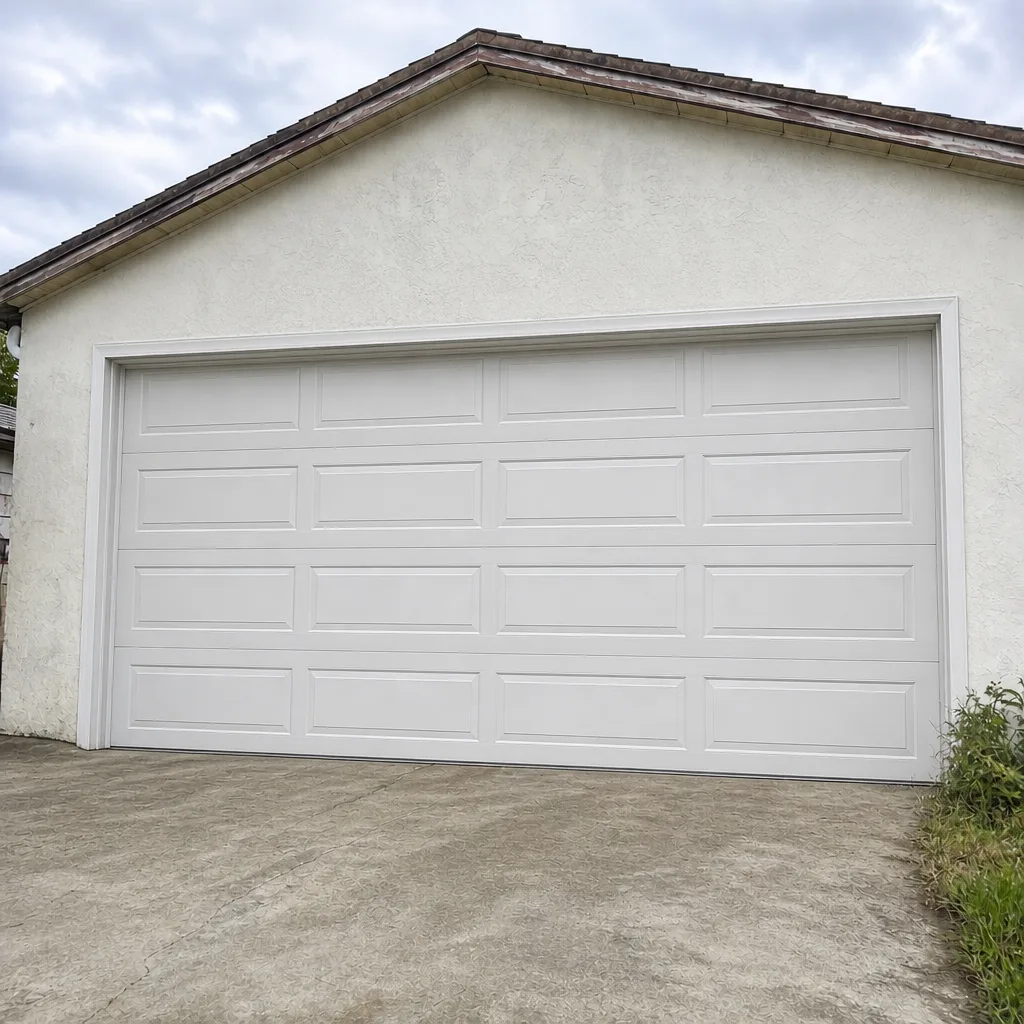
See the difference
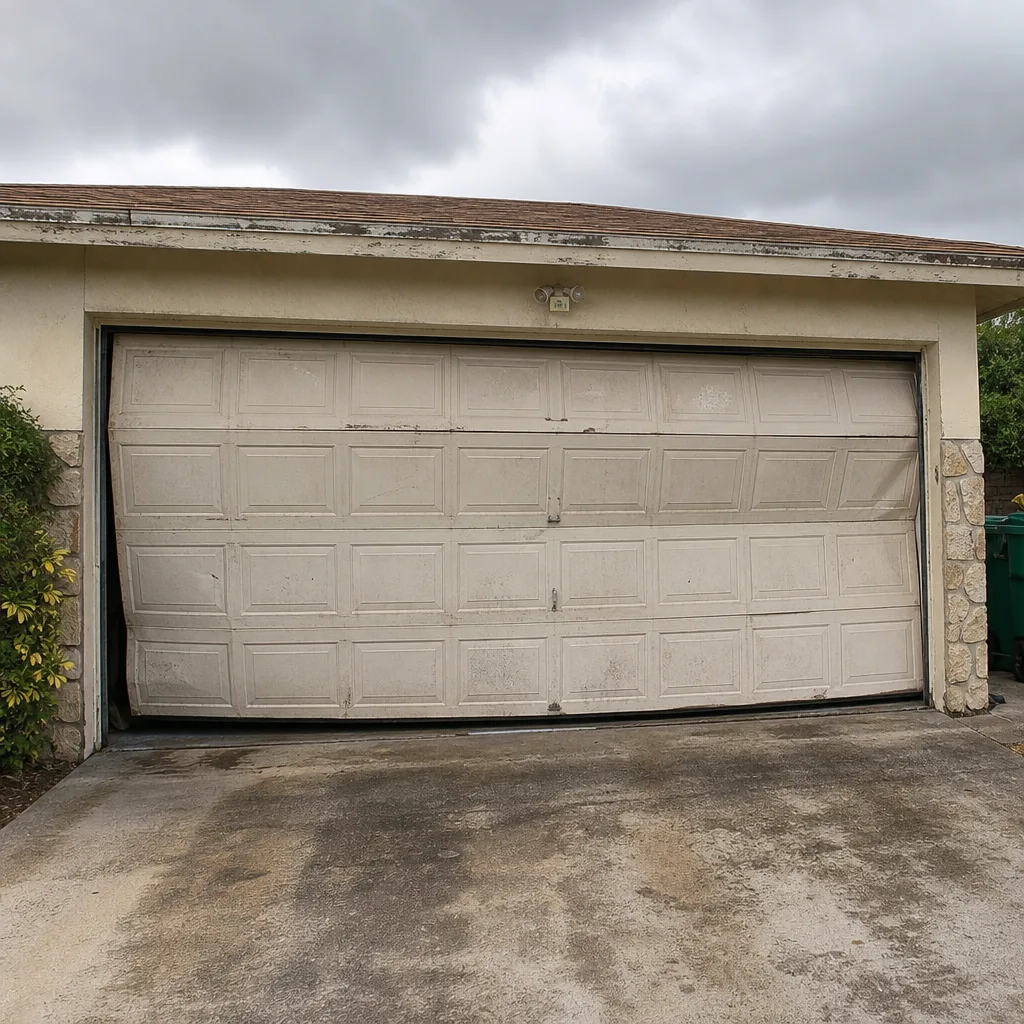 Before
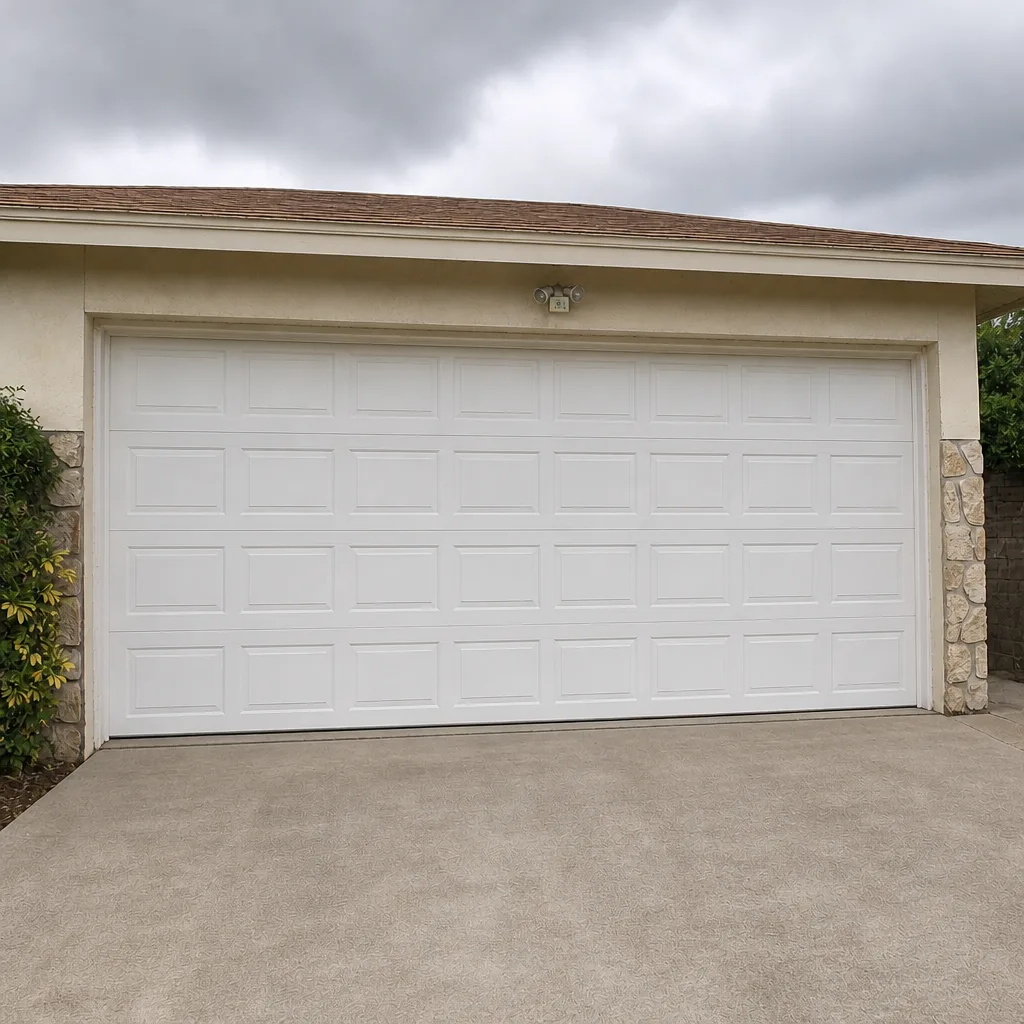 After
 Before
 After
 Before
 After
Frequently Asked Questions
Twice a year is a good baseline: once in May before hurricane season and once in the November-to-March dry season. Those two visits cover the spring, cable, and hardware checks that matter most here, plus a tune-up on the opener. If you use the door heavily or notice new noises, add a visit.
Start with track alignment, panel integrity, and sensor function. Sight down each track for bends, look for separating panels, and test the photo-eye beam by passing an object through it. Then check the bottom seal for water intrusion. If the door is stuck open or off its tracks, don’t force it. Call (866) 937-7969 for fast help.
No, leave the torsion spring to a technician. The spring is under heavy tension and a slip can cause serious injury, which is why proper spring service is a specialist job. You can safely wipe down hinges and roller stems and lubricate those, but the spring itself should be handled by a trained professional.
Yes. Instead of worrying about frost and ice, Deerfield Beach homeowners deal with hurricane-season wind prep, post-storm inspection, and summer humidity that accelerates metal wear. Winter brings low-angle sun that degrades rubber seals. The maintenance calendar is built around storms and humidity rather than temperature.
It depends on the part. Replacing like-for-like hardware with the correct rated component generally preserves the rating, but substituting unrated parts can compromise it. If you’re unsure, ask the city’s building department to confirm what’s required for your door, and have the installation done by a specialist who documents the parts used.
Not usually seasonal, but summer heat can affect sensor alignment and the safety reverse settings. Clear the photo-eye lenses, then test the beam and the force settings. If it keeps reversing, the opener needs a professional look. We handle garage door opener repair across the major brands. Call (866) 937-7969 for a free estimate.
The Bottom Line
Year-round garage door care in Deerfield Beach isn’t about beating back the cold. It’s about preparing for storms, managing summer humidity, and catching the quiet winter UV damage that no one thinks to look for. A May hardware check before June 1st, a structured inspection within 48 hours of any tropical event, a humidity routine through the summer, and the heavier spring and cable work scheduled for the dry months cover almost everything. Add a five-minute monthly walk-around and you’ll know your door’s condition rather than guessing. For the jobs that involve springs, cables, and opener settings, call in a specialist and get a free estimate from a team fluent in the major brands. Your door, your opener, our expertise.
For seasonal service, storm-related repairs, or a free written estimate, call Deerfield Beach Garage Door Repair Co at (866) 937-7969. We answer 24/7. Fast dispatch from 7am to 7pm, Sunday through Friday. Visit Deerfield Beach Garage Door Repair Co to see the full range of services, and when you call, we’ll quote and agree the price before any work starts.
Written by the team at Deerfield Beach Garage Door Repair Co.