
Last updated November 23, 2026
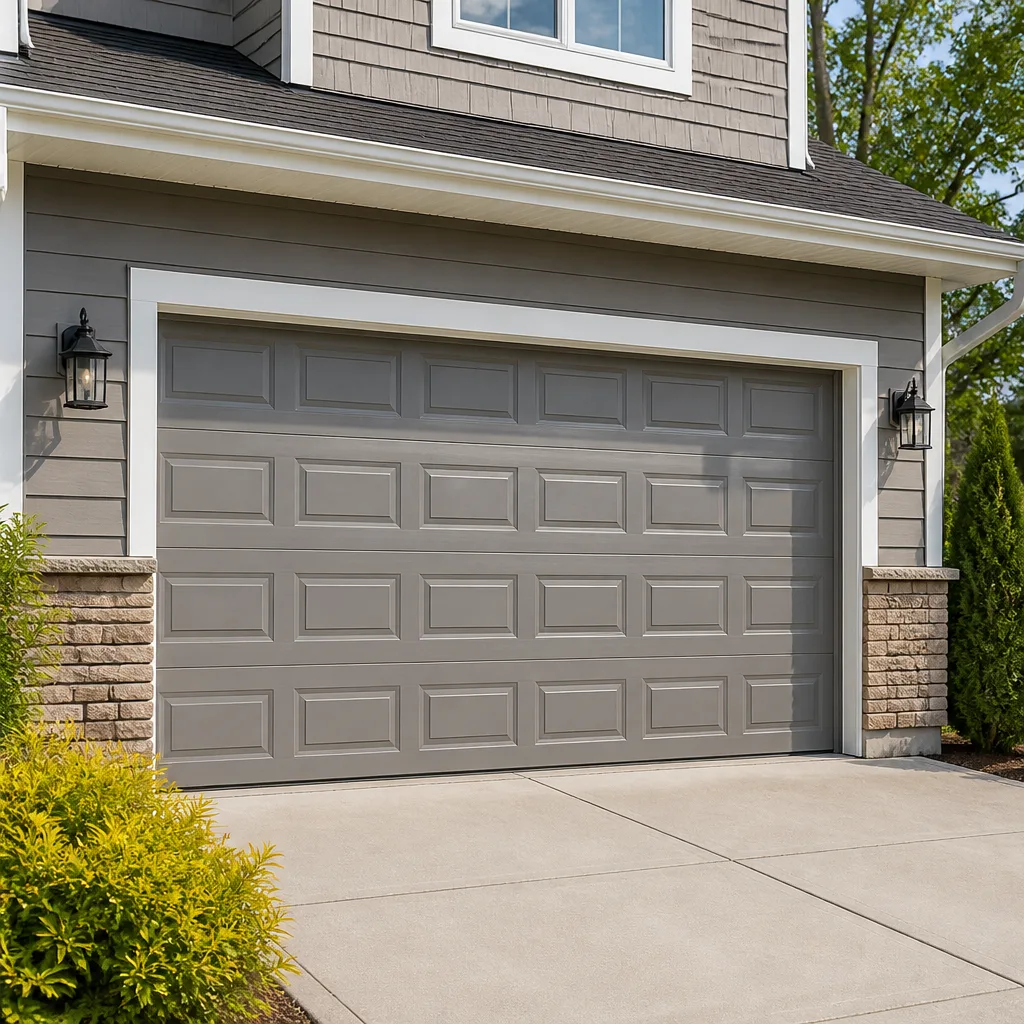 Raised-panel steel
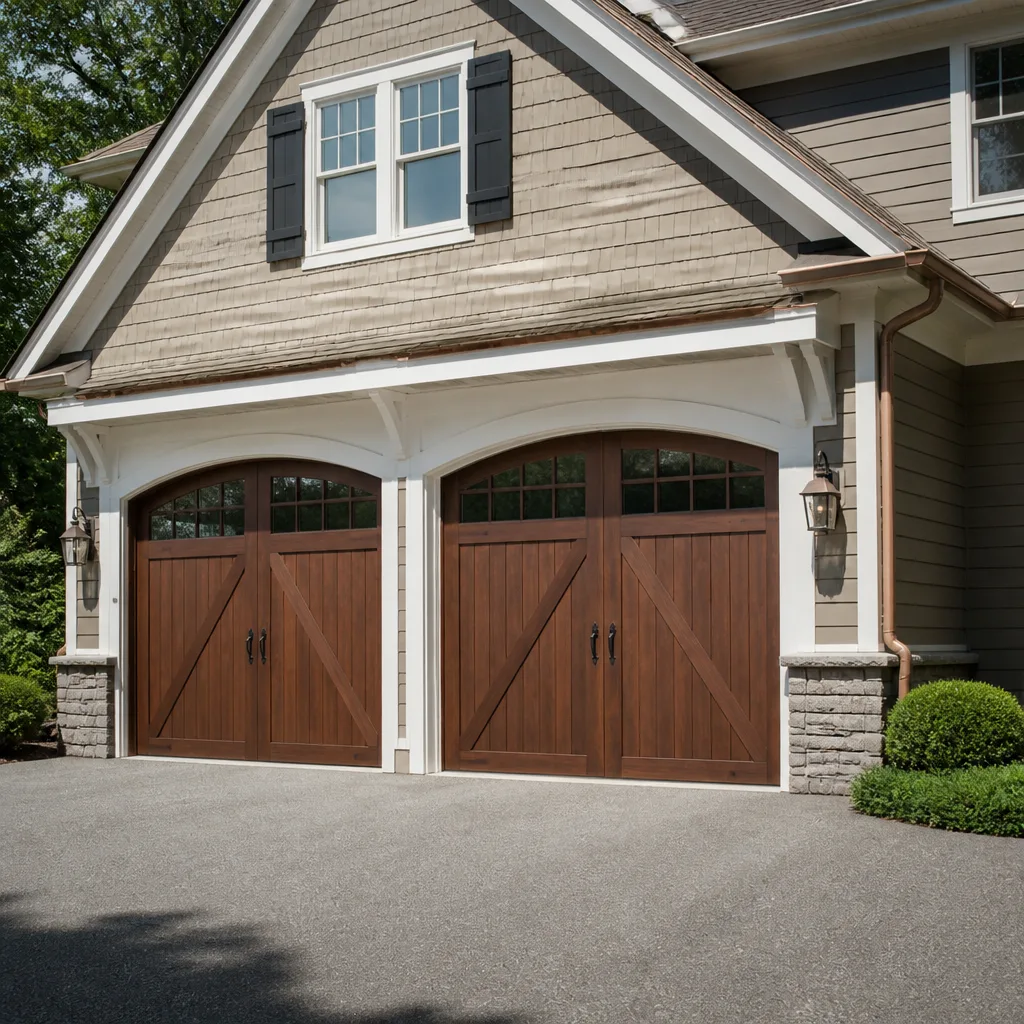 Carriage house
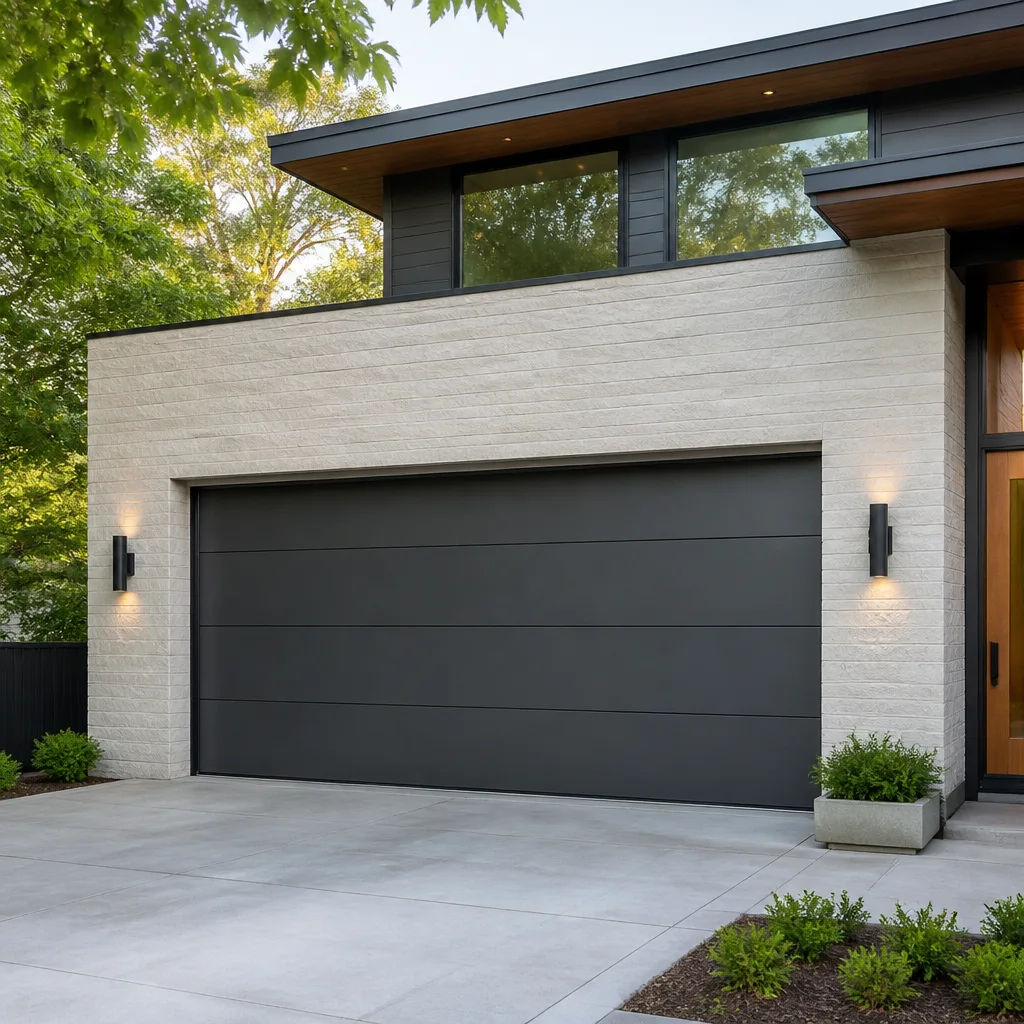 Modern flush
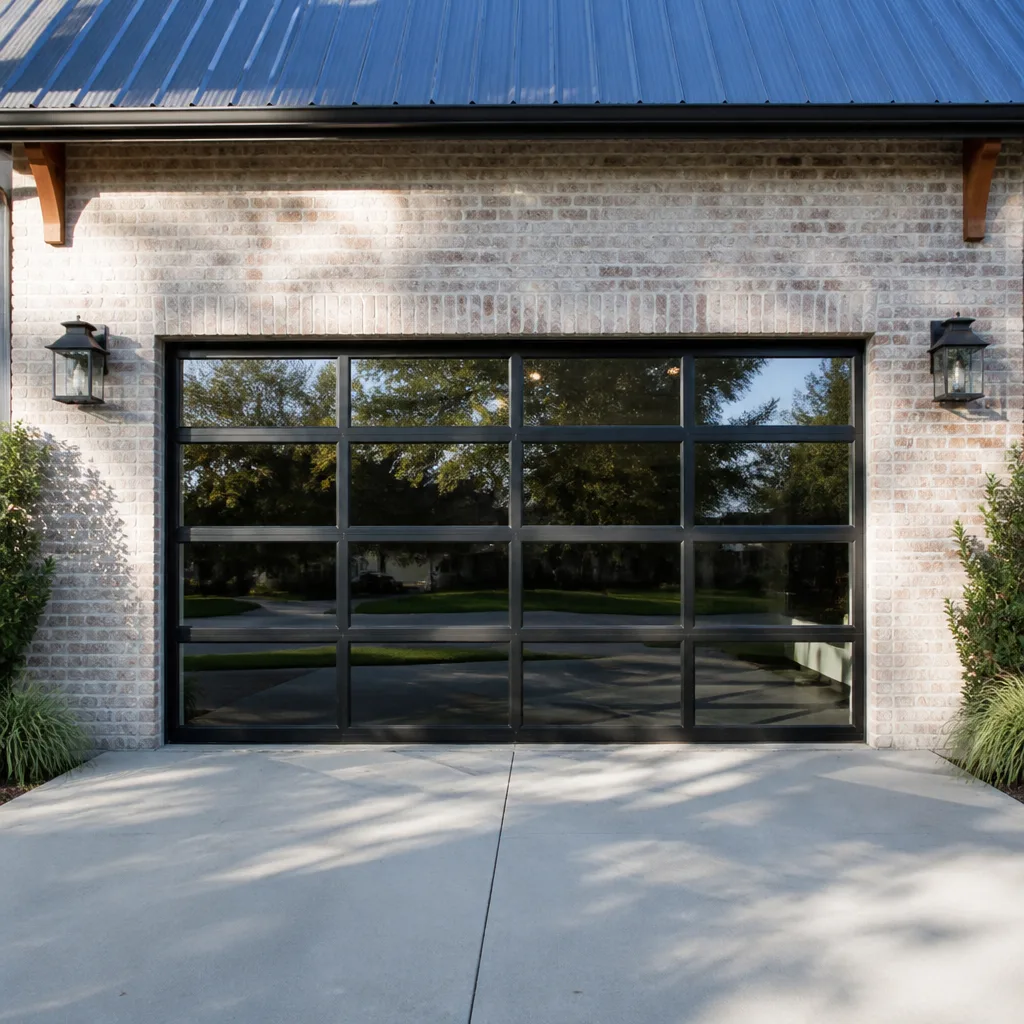 Full-view glass
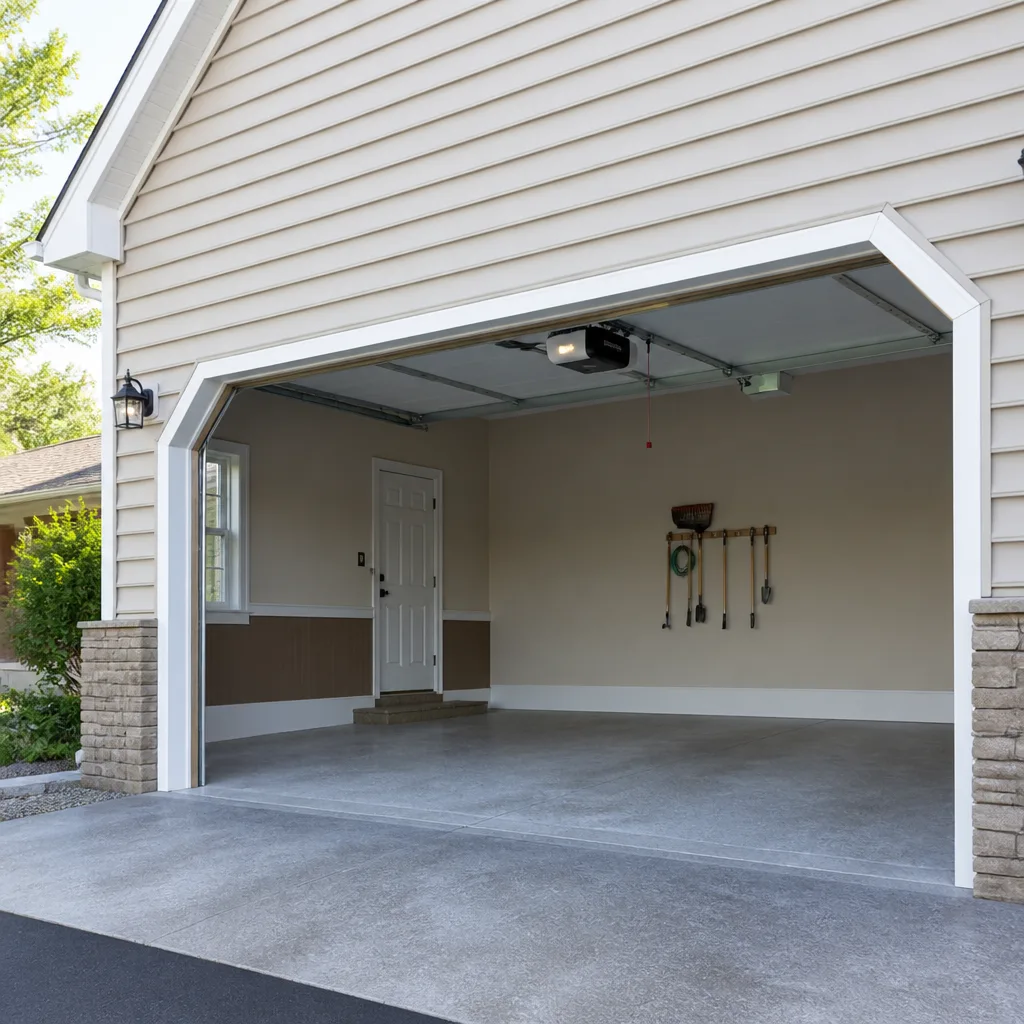 LiftMaster openers
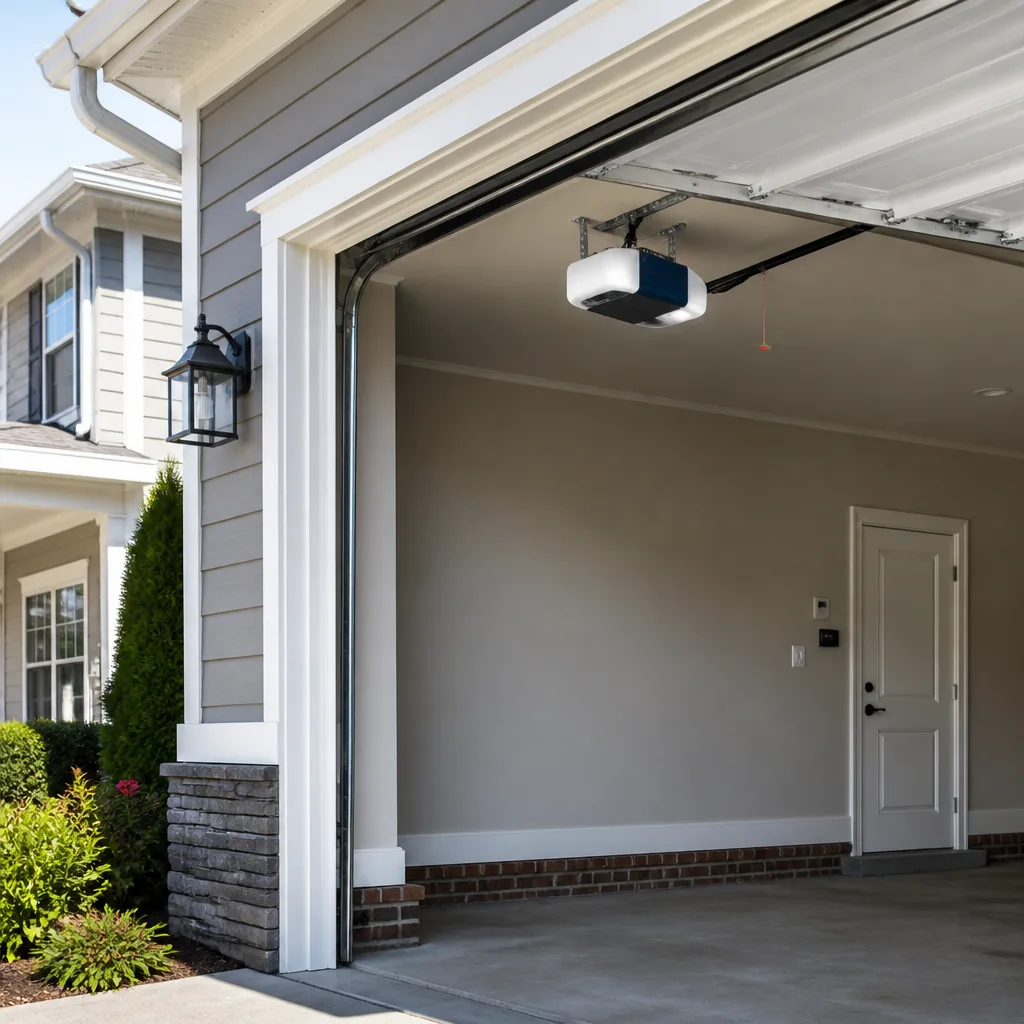 Chamberlain openers
Full 25-point door and opener safety check with every visit - springs, cables, rollers, tracks, and your LiftMaster or Chamberlain opener included
You get a price before we start. It does not change when the pro arrives.
Get your free estimateGarage Door Warning Signs: A Deerfield Beach Homeowner’s Reference Guide
A garage door that hesitates for two seconds before it moves isn’t being slow. It’s showing a classic symptom of a torsion spring that has lost enough tension to put the full weight of the door on the opener motor, and that motor will burn out within weeks if the spring isn’t addressed. Most warning sign articles list the noises and jerks without explaining what produced them, so homeowners can’t tell a nuisance from an emergency. This guide connects each visible and audible symptom to the component behind it, gives a realistic failure timeline, and shows you how to judge urgency. The same humidity that fogs your windows in Deerfield Beach quietly works on steel and cables too, and we’ll cover that as well.
Styles & brands we work with
- Raised-panel steel
- Carriage house
- Modern flush
- Full-view glass
- LiftMaster openers
- Chamberlain openers
Quick Answer
A garage door warning sign is any sound, movement, or visual cue that points to a component nearing the end of its reliable range. Signs that need same-day attention include a door stuck half-open, a snapped spring, a cable hanging loose, or a door that reverses unpredictably. Signs you can safely watch for 2 to 4 weeks include mild squeaking, gradual speed changes, and minor vibration, provided the door still opens and closes fully and evenly.
Table of Contents
- The Symptom-to-Component Diagnostic Table
- Which Signs You Can Watch and Which Need Same-Day Service
- What South Florida Humidity Does to Springs and Cables
- Why Intermittent Problems Are Often More Serious
- What to Tell a Technician When You Call
- Warning Signs Specific to the Opener
- A Simple Seasonal Check for Deerfield Beach Doors
- What You Can Safely Check Yourself
- Common Mistakes to Avoid
- When to Call a Professional
- Frequently Asked Questions
The Symptom-to-Component Diagnostic Table
Every garage door problem traces back to a handful of parts: the springs, the cables, the rollers, the hinges, the tracks, and the opener. When you can name the part, you can judge the urgency. This table maps the most common symptoms in Deerfield Beach homes to their likely mechanical source.
- Loud pop or bang, door won’t lift: torsion or extension spring failure. The loud noise is the sound of stored tension releasing at once.
- Grinding noise while opening: worn rollers, dry or failing bearings, or a bent track forcing the door against the frame.
- Squealing or high-pitched squeak: metal-on-metal contact from dry hinges, rollers, or the torsion shaft.
- Door opens a few inches and stops: a spring that’s lost most of its tension, or an opener hitting its travel limit because the door is heavier than the motor can lift.
- Door reverses before touching the floor: a misaligned safety sensor, a track obstruction, or a door that’s binding and trips the opener’s force setting.
- Visible gap between door and floor, or a sagging top panel: a structural problem in the panel, hinge, or track alignment.
- Rust lines on the springs or frayed cable strands: corrosion weakening the steel, common in humid climates like Deerfield Beach’s.
- Door travels unevenly, one side lags: stretched or failing cables, or a spring that’s no longer balanced.
- Opener runs but the door doesn’t move: a broken spring, a snapped cable, or a stripped gear in the opener itself.
- Constant clicking or a humming opener that won’t turn the door: gear failure or a capacitor issue in the motor unit.
If you recognize your symptom above and it’s a spring or cable problem, that’s the point to call. garage door spring repair isn’t a job to postpone, both because of the load now on the opener and because of what’s stored under tension. Spring repair done safely is a specialist task, not a homeowner one.
Which Signs You Can Watch and Which Need Same-Day Service
Not every warning sign means drop everything. The difference comes down to three factors: whether the door still completes a full open-close cycle, whether it stays balanced and level, and whether anything is under visible stress. Here’s how we sort them.
Signs you can monitor for 2 to 4 weeks
- Mild squeaking that comes and goes.
- A gradual slowdown in travel speed, still fully opening and closing.
- Faint vibration you can feel more than hear.
- Minor cosmetic rust on hinges (not springs or cables).
- An opener remote that occasionally needs a second press.
Signs that need same-day service
- Loud bang followed by a door that won’t lift.
- A visible gap between door and floor, or a top panel sagging.
- Any door that reverses unpredictably or stops mid-travel.
- A cable hanging loose or visibly frayed at the drum.
- A door that will not close fully, leaving your home open.
- The opener runs but the door doesn’t move at all.
Don’t park directly under a door that’s showing load stress, and don’t force a door that won’t move by hand. If you hear a spring break, leave the door down and call. Our Deerfield Beach service handles emergency situations as a core offering, not a side note, because a stuck-open door means your home is exposed every hour it isn’t fixed.
What South Florida Humidity Does to Springs and Cables
Deerfield Beach’s humidity is the most persistent stress your garage door hardware faces. It doesn’t produce dramatic failure overnight, but it accelerates the same slow wear that makes springs and cables fail years earlier than homeowners expect. The signs below are easy to dismiss as cosmetic. They usually aren’t.
- Rust lines on spring coils: even light orange streaks signal the coil is losing cross-section and load capacity. A rusted spring is a structurally compromised spring.
- Frayed or dull cable strands near the drum: individual strands wear unevenly, and a partially failed cable can snap without warning.
- Stiff, sticky hinges: moisture draws lubricant off pivots, letting friction build a binding that strains the opener.
- White powdery deposits on aluminum or painted steel: surface oxidation that, left alone, spreads to fasteners and rollers.
What looks like a cosmetic spot matters here for one reason: corrosion eats the metal, and the metal is what holds the door’s weight. A spring that was sized correctly when it was installed may be doing the same job with less steel now than it needs. If you’re going to check the door, check both ends of the spring and the cables that run over the drums. That’s where we see the earliest Deerfield Beach corrosion.
Why brand familiarity helps with corrosion checks
Different manufacturers use different alloys and finishes for their springs and cables. Because we work with Clopay, Amarr, Wayne Dalton, and Craftsman systems, we know where each brand typically wears first. That background lets a technician diagnose corrosion damage quickly over the phone and arrive prepared with the right parts for the job.
Why Intermittent Problems Are Often More Serious
An intermittent symptom looks reassuring, but in mechanical terms it’s usually a warning that a component is at the edge of its reliable range. A consistent problem happens under the same conditions every time, which tells you a part has failed in a predictable way. An intermittent problem means a part is failing inconsistently, and the failures that hurt are the ones you don’t see coming.
A spring on its way out, for example, doesn’t always pop on the first lift. It may hold tension for twenty cycles and then lose it on the twenty-first. A cable about to snap may appear fine most days and wear through the last strand when the door is under load. The intermittent symptom is the window between functional and broken, and no one can tell you exactly how many cycles remain.
This is why we ask about frequency when you call. A door that stuck once last month is worth an inspection. A door that’s stuck twice this week is a component in its final range, and it deserves a service visit before it becomes a call from your driveway with the door jammed open. In a humid climate like ours, intermittent failures near a corroded part are especially worth taking seriously.
What to Tell a Technician When You Call
The single best thing you can do for an accurate diagnosis is describe what you observe, not what you guess caused it. A technician can make a remote assessment from a few precise facts. These are the ones to have ready.
- What the door or opener is doing. Not moving, making a specific sound, reversing, or stopping partway.
- How often it happens. Every cycle, once a day, twice this week, once last month.
- When it happens. Only in the morning, only after a rainstorm, only on the first cycle of the day.
- Where the door is when it fails. Fully down, half open, all the way up.
- What the weather was. High-humidity or rain right before an intermittent failure points toward moisture.
- What you’ve already tried. Replacing a remote battery, resetting the opener, pulling the manual release cord.
- Door type and brand if you know it. A Clopay panel door with a torsion spring behaves differently from a Wayne Dalton with an extension spring setup.
Call (866) 937-7969. We answer 24/7. Fast dispatch from 7am to 7pm, Sunday through Friday. Tell the person on the line what you’ve noticed and when, and we’ll know whether you’re facing a same-day visit or a scheduled repair. Estimates are free, and the price is quoted and agreed before any work starts.
Warning Signs Specific to the Opener
The opener and the door are two separate systems, and it’s worth knowing which one you’re dealing with. An opener that runs but won’t lift the door usually means the door is the problem: a failing spring or a binding track. An opener that won’t run at all points to the motor unit itself.
- The door reverses immediately after starting: sensor misalignment or a door binding and tripping the force limit.
- The opener runs but the door won’t move: stripped gear in the opener, or a broken spring on the door.
- Lights flicker on the opener and it hums without moving the door: often a capacitor or logic board issue.
- The remote works intermittently from a distance: usually a battery, but occasionally a shortened antenna or RF interference.
- Door moves in halting, jerky increments: travel limit or force adjustment out of spec, or a door that’s dragging on the track.
We service openers as their own named offering, because diagnosis is easier when you have expertise with the motor unit alone. If your system is a LiftMaster, Chamberlain, or Genie, chances are we already know it. Start with a quick look at garage door opener repair if the door moves but the opener is the part making noise, and we’ll help you sort it from there. In our experience, half the opener calls we get turn out to be spring problems underneath.
A Simple Seasonal Check for Deerfield Beach Doors
Because Deerfield Beach doesn’t get hard freezes, the door doesn’t have a single “season” for failure. Wear accumulates year-round, and humidity creeps in every month. What you can do is set a routine check, once a quarter, with a short list. It takes about ten minutes, and it’s the cheapest way to catch a problem early.
- Look up. Check both springs for rust lines, gaps, or sagging. Note the color and condition.
- Follow the cables. Look at the cables running over the drums at each side. Check for fraying, kinks, or slack.
- Check the rollers. Run the door by hand (only if you can do it safely) and listen for grinding or squealing.
- Watch the path. Confirm the door opens and closes fully, evenly, and stops level with the floor.
- Test the safety sensors. Put an object in the door’s path and confirm the door reverses.
- Cycle the opener. Listen for grinding, hesitation, or an opener that hums without moving the door.
Any of these checks can be done without a technician. But a check that turns up a corroded spring or a frayed cable is the point to stop and call, and not to test further. Spring and cable systems hold the door’s full weight under tension, and forcing them to move once more can be the movement that fails them.
What You Can Safely Check Yourself
Some observations are genuinely safe for a homeowner to make. Others put you in serious danger, and it’s worth drawing that line clearly. This is a safety boundary, not a list of things to skip past.
Safe to check
- Visual condition of springs and cables from a distance, with the door down.
- Rollers and hinges for visible damage, without removing anything.
- Safety sensor alignment and response with a physical test.
- Manual release cord function (test once, don’t repeatedly exercise it).
- Door balance test: with the opener disengaged, lift the door halfway by hand and let go. It should stay put.
Not safe to check
- Removing or adjusting a torsion spring or its winding bars. This is the most dangerous part of the entire system.
- Cutting or re-terminating a damaged cable.
- Adjusting the drum or the cable tension.
- Loosening or removing any fastener that holds the spring to the shaft or header.
The springs and cables hold the door’s weight under heavy tension. They can release suddenly, even when the door looks idle, and a trained professional is the only safe person to work on them. Our technicians have up to 15 years of experience with these systems, and the work is done with specific tools and tension procedures, not guesswork. If your check turns up any spring or cable problem, stop and call.
Common Mistakes to Avoid
- Ignoring an intermittent problem until it becomes constant. A door that fails once a week is telling you a part is nearing failure, not that it “seems fine now.”
- Assuming rust on the springs is cosmetic. In Deerfield Beach’s humidity, rust on a spring is a load-capacity warning, not a paint issue.
- Forcing a door that’s stopped partway. If the opener has stopped moving the door, the spring or cable is likely the reason, and pushing further may cause a sudden release.
- Treating the opener as the whole system. The opener lifts the door, but the springs do the heavy work. If the springs are failing, replacing the opener won’t fix it.
- Attempting a spring or cable repair yourself. The stored energy in a spring can release instantly, and a professional with the right tools is the only safe option.
- Watching a slow speed change for months. A door that’s noticeably slower than it was six months ago is a sign of spring tension loss, and the opener takes the strain.
- Waiting until the door won’t close. A door that won’t close leaves the home open. That’s the moment to call for same-day service, not the next week.
When to Call a Professional
Call a professional the moment you see a spring break, a cable fail, a door stuck in a half-open position, or a door that reverses uncontrollably. Those are not watch-and-wait situations. Also call if you notice rust on the springs, a slowdown over weeks, or any intermittent failure that’s happening more than once. These are the early warning signs a trained technician can address before a failure turns into a security or access problem.
Deerfield Beach Garage Door Repair Co offers free estimates in Deerfield Beach. Call (866) 937-7969 and we’ll tell you what to expect, whether the job fits a same-day service or a scheduled repair. The price is quoted and agreed before any work starts, so you’ll know the number before a technician does a single thing. We are a single-trade specialist for every job on the door, from the springs up. That focus is what makes a phone call more useful than a home-improvement generalist’s estimate.
Frequently Asked Questions
A single spring repair typically runs $180 to $340 in this market. A matched pair is usually replaced together, so budget roughly double that. The written estimate sets the final price. Call (866) 937-7969 for an exact quote; estimates are free.
A brief hesitation is worth watching but not panicking about, provided the door still completes a full cycle. If the hesitation gets longer over a few weeks, or the door starts stopping partway, the spring has likely lost enough tension that the opener is doing more work. Call us then. The price is quoted before work starts.
The local professionals we connect you with are licensed and insured as their state and local rules require. Our technicians have up to 15 years of experience with torsion and extension spring systems. Call (866) 937-7969 to ask about your specific job.
Yes. A door stuck open leaves your home exposed, so we treat that as an emergency. Call (866) 937-7969. We answer 24/7, with fast dispatch from 7am to 7pm, Sunday through Friday. Estimates are free, and the price is quoted and agreed before any work starts.
The most common cause is a misaligned safety sensor or a door binding on a track, which trips the opener’s force limit. Check that nothing is obstructing the sensor path first. If the door still reverses, call us. A prompt diagnosis saves you from a door that won’t close on its own.
No. Rust on a spring means the steel is losing cross-section and load capacity. In this climate, humidity accelerates that process. Even light rust lines on the coils are a reason to have the spring inspected. If the spring is pitted or flaking, call before using the door again.
No. The price is quoted and agreed before any work starts, and the written estimate sets the final price. What we don’t do is show up and change the number after the fact. Call (866) 937-7969 for a free estimate.
We cover eight of the most widely owned garage door and opener brands, including LiftMaster, Chamberlain, Genie, Clopay, Amarr, Wayne Dalton, Craftsman, and Raynor. Between those, most Deerfield Beach homes are already covered. Call (866) 937-7969 and tell us what you have.
The Bottom Line
Every warning sign points to a specific part, and naming the part is how you judge urgency. A hesitation on the first lift is a spring warning. A loud bang and a door that won’t open is a spring failure. A gap between door and floor, or a door that reverses, is a same-day call. In Deerfield Beach’s humidity, rust on a spring or fraying on a cable is the earliest sign your door needs attention, not the cosmetic one. Monitor the small signs for a few weeks. Call the moment something gets worse. Our team connects you with licensed, insured local professionals who know your door and your opener inside and out. garage door repair in Deerfield Beach is what we do, one door at a time. For the full range of services, start at the Deerfield Beach Garage Door Repair Co homepage.
If you’re not sure which category your warning sign falls into, call us. We answer 24/7, with fast dispatch from 7am to 7pm, Sunday through Friday. Tell us what you’ve noticed and when, and we’ll help you decide what to do next. Estimates are free, same-day service is available for repairs, and every price is quoted and agreed before work begins. We’re a single-trade specialist, and we’re here to get your door back in service today.
Written by the team at Deerfield Beach Garage Door Repair Co.
See the difference
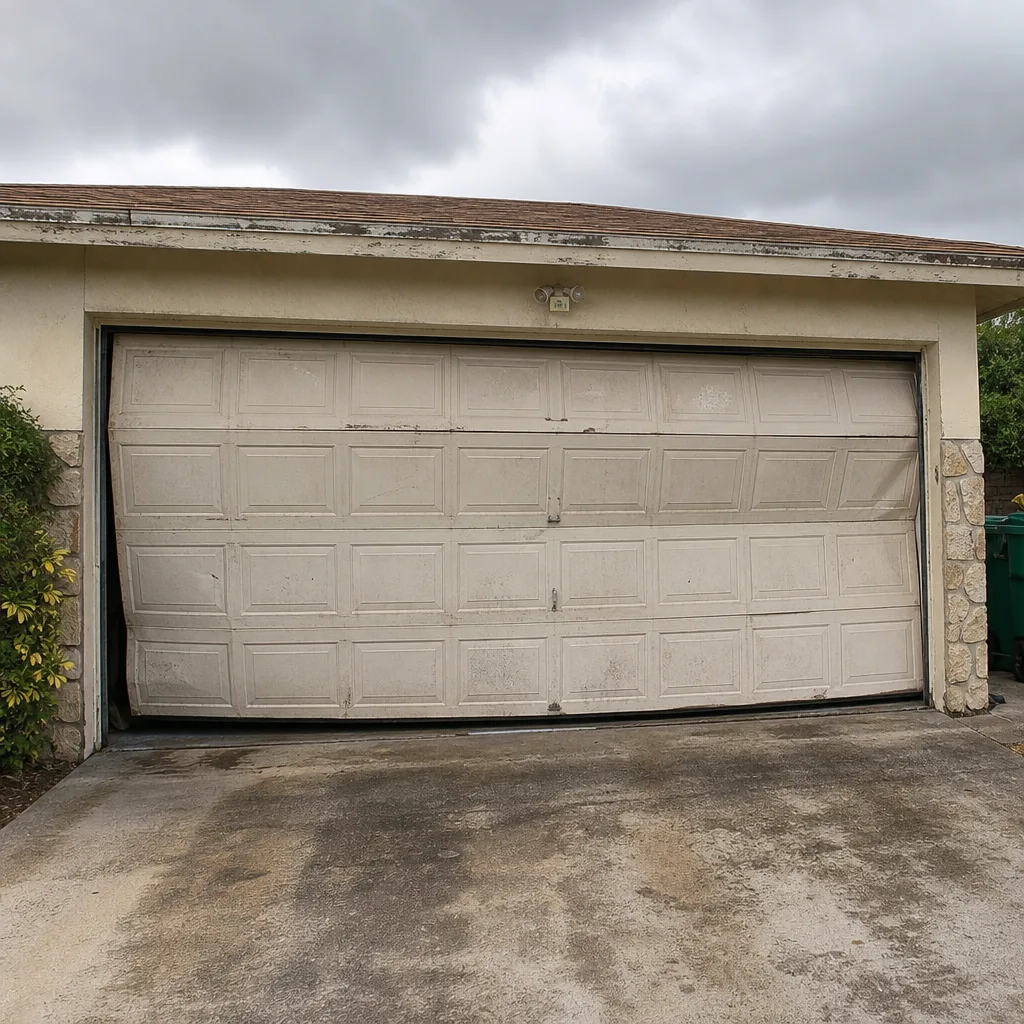 Before
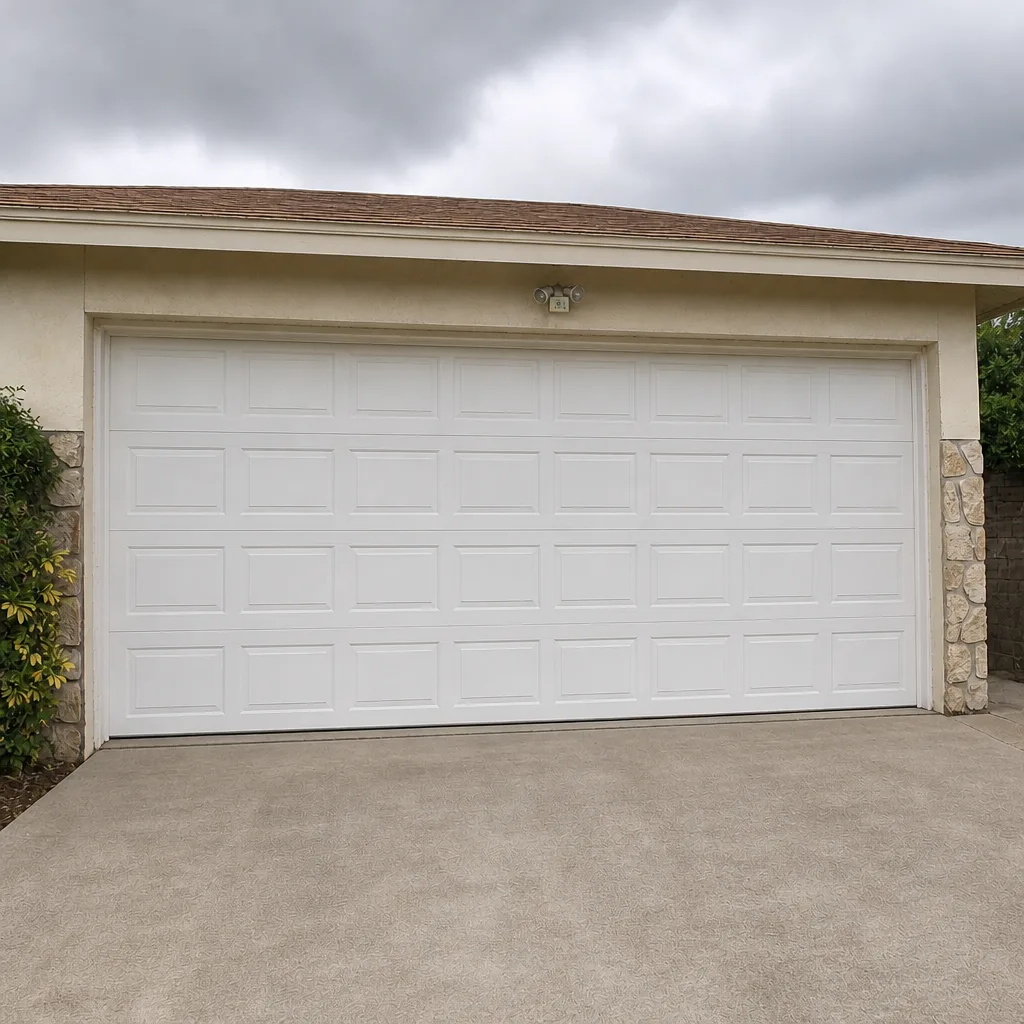 After
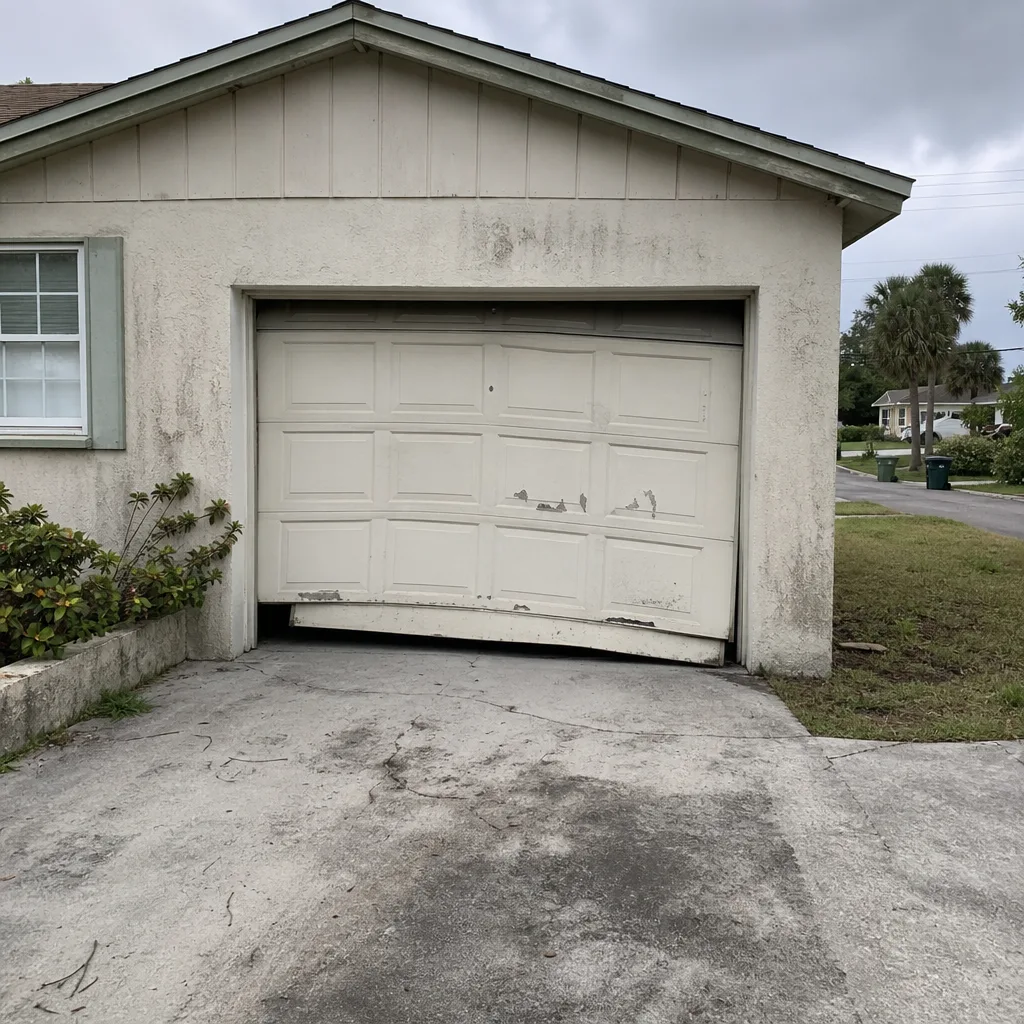 Before
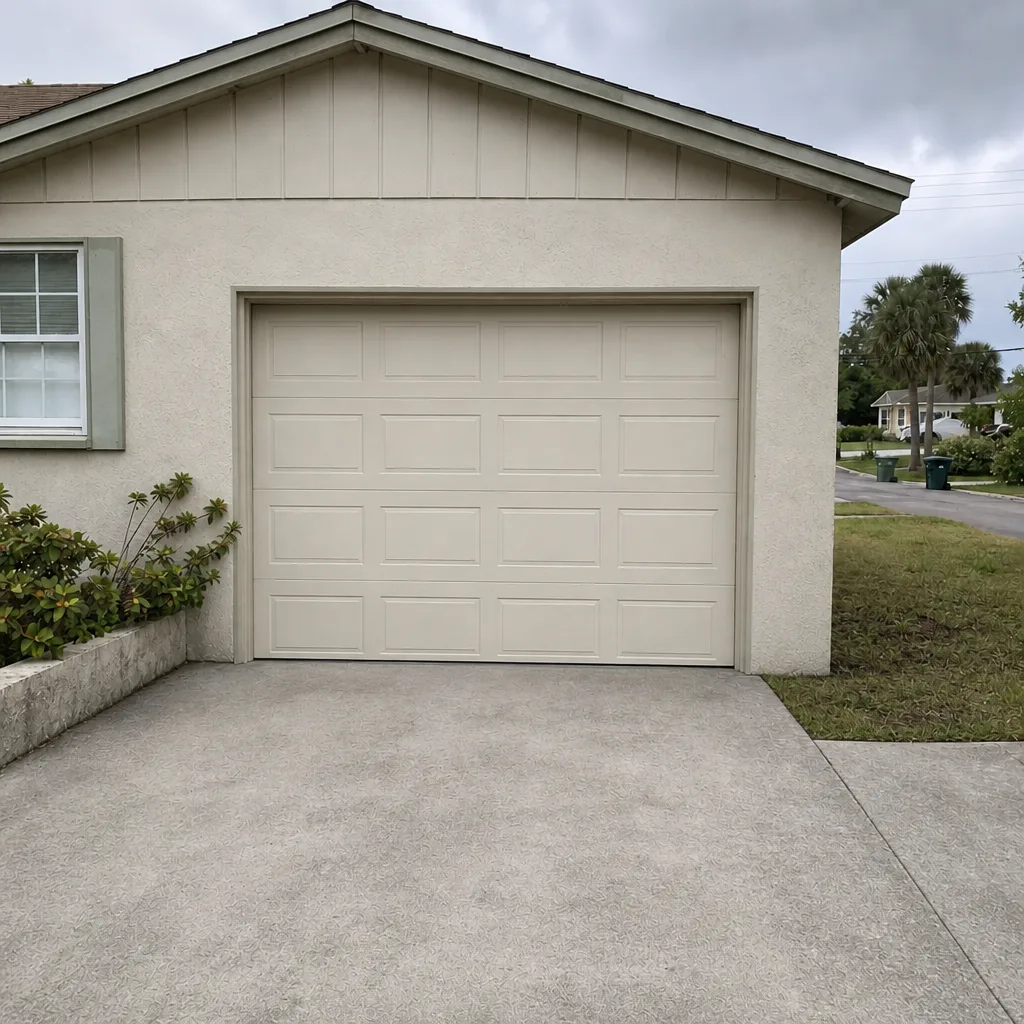 After
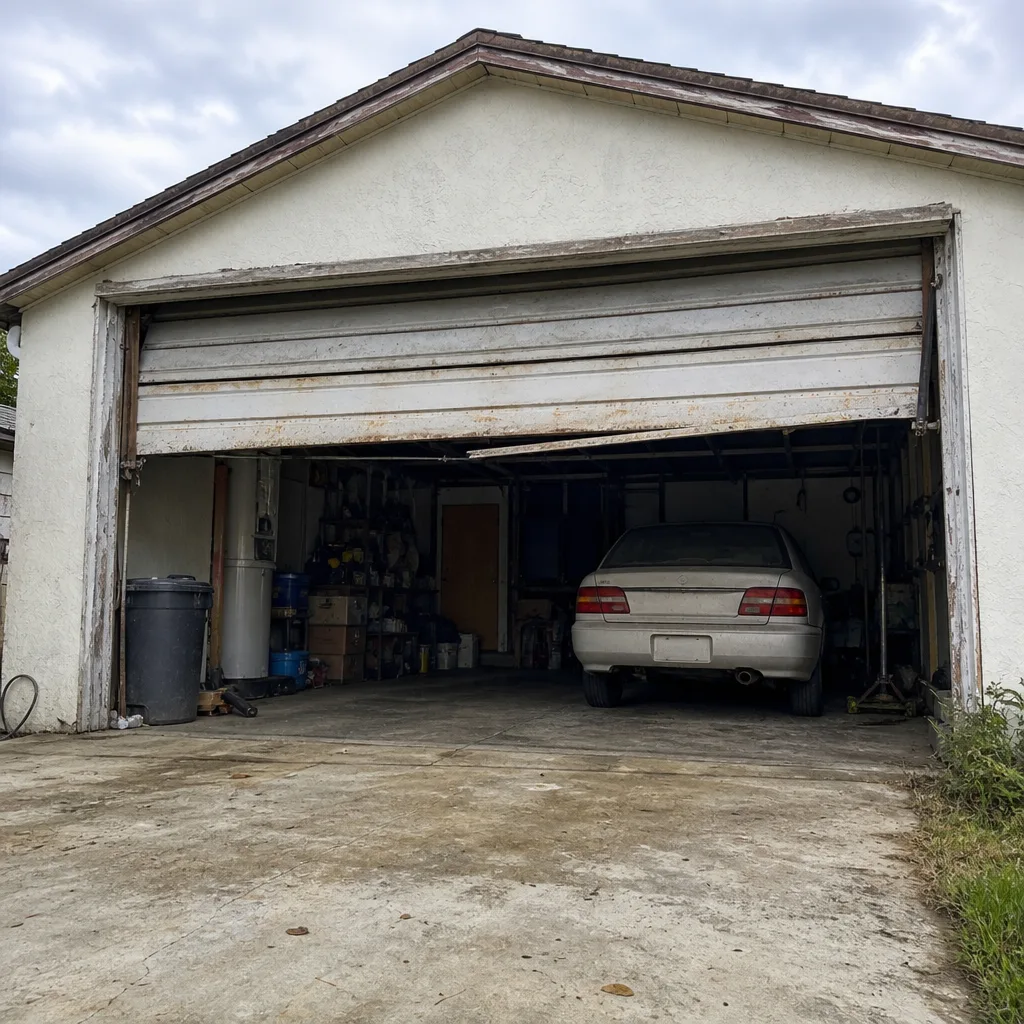 Before
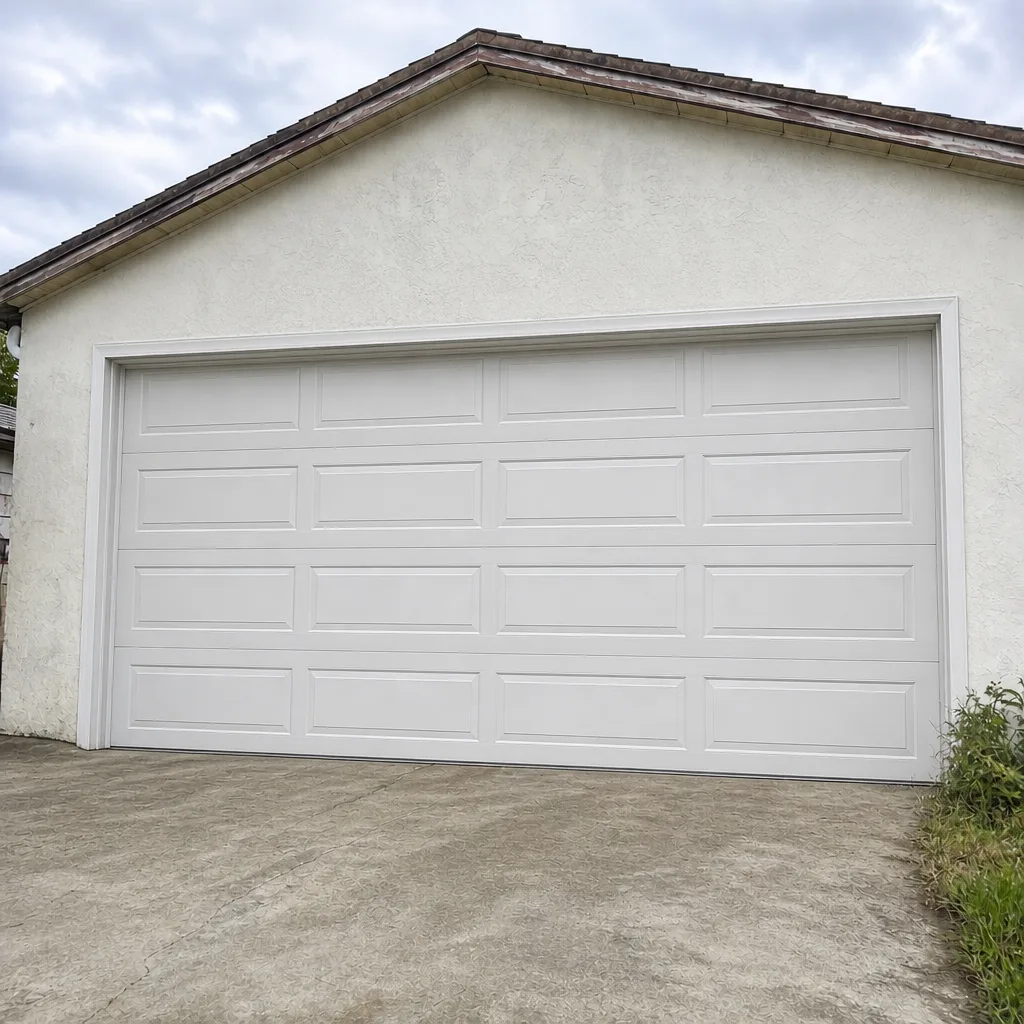 After