
Last updated November 23, 2026
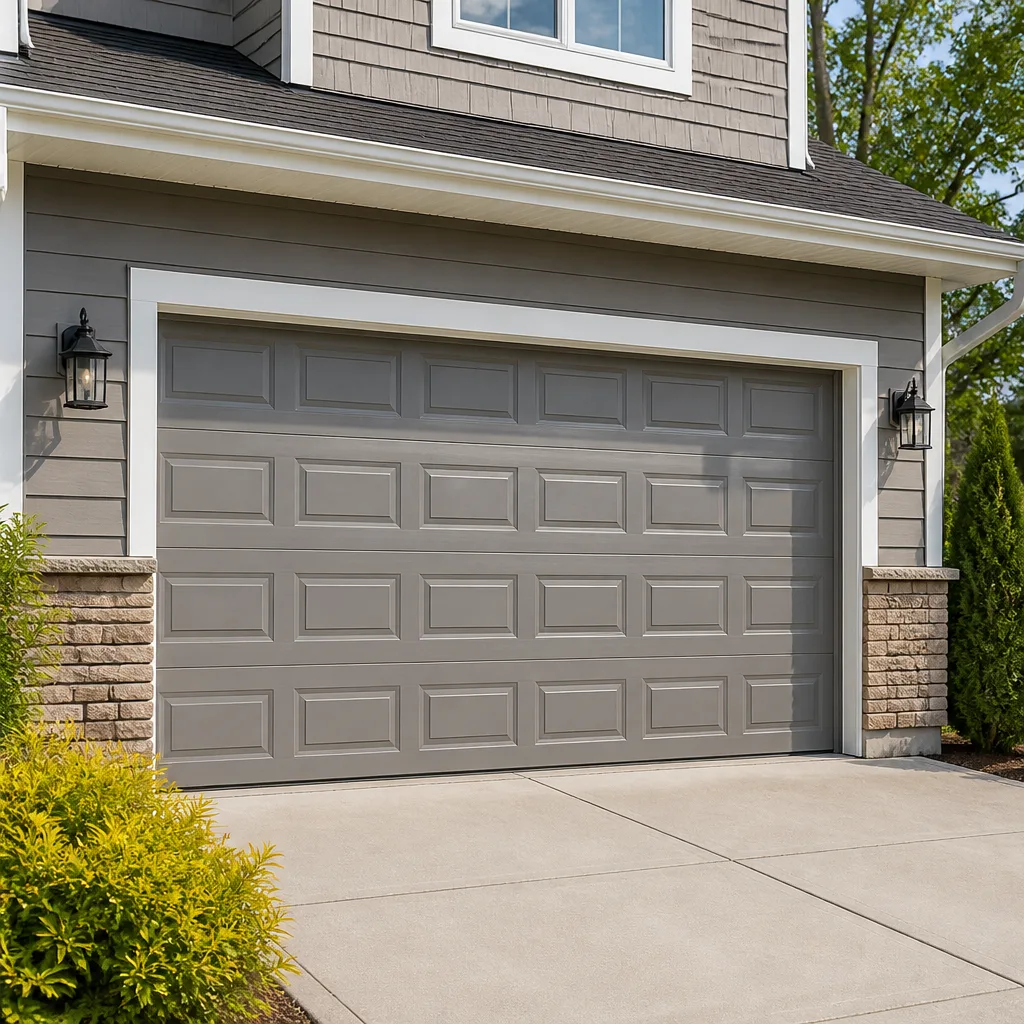 Raised-panel steel
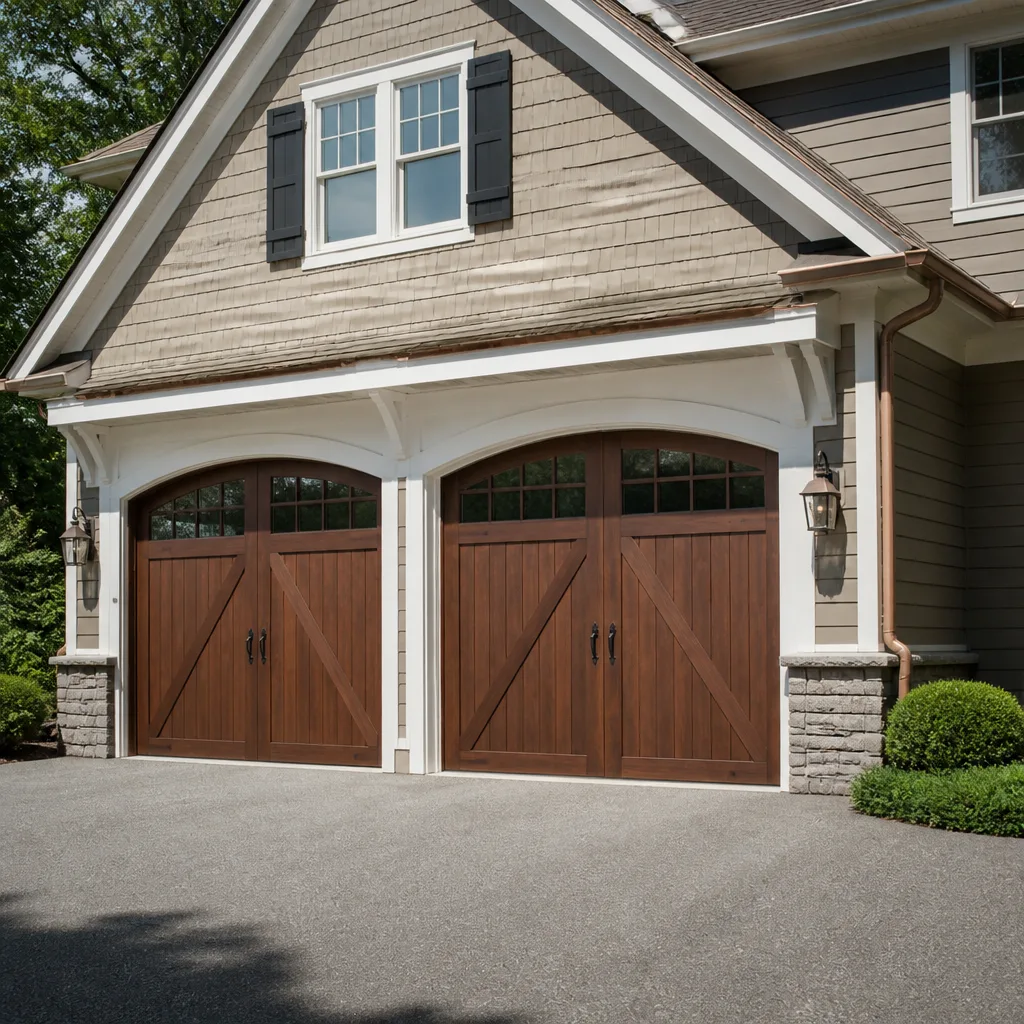 Carriage house
 Modern flush
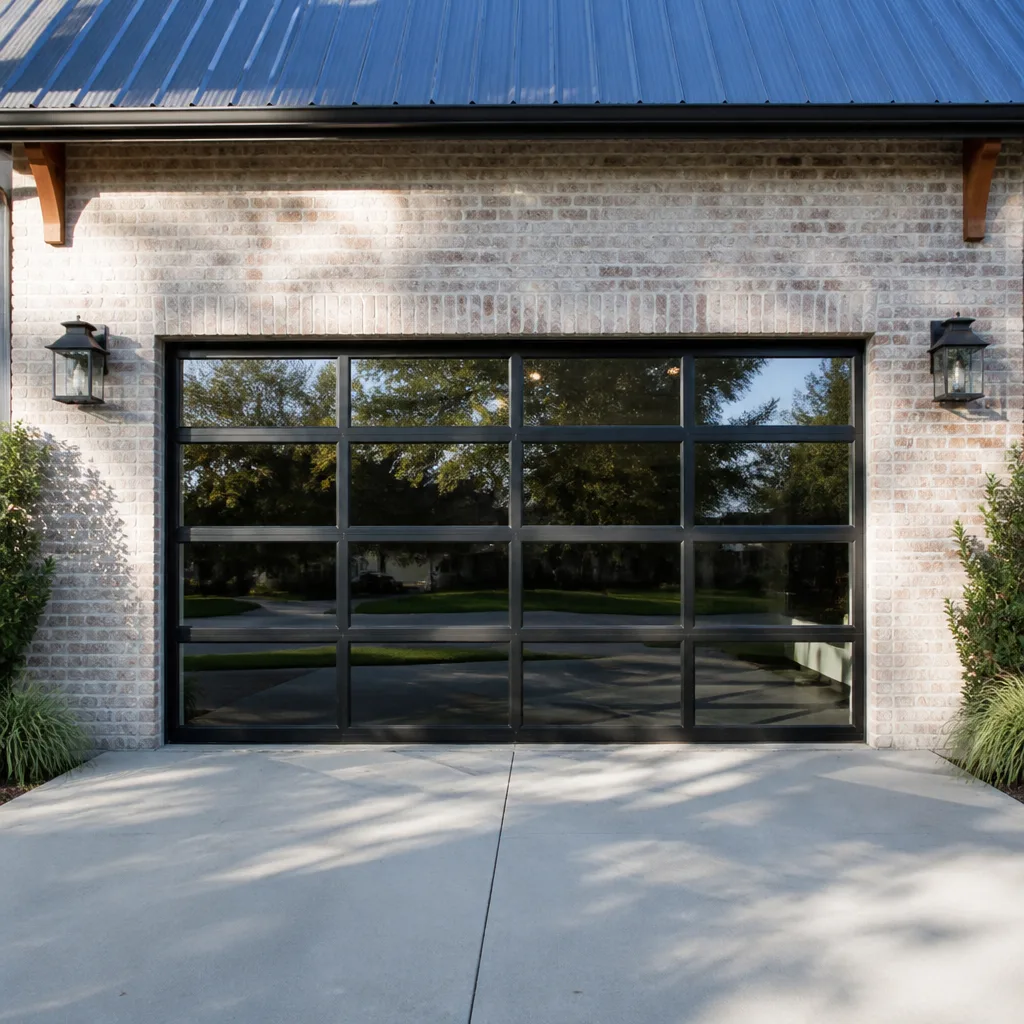 Full-view glass
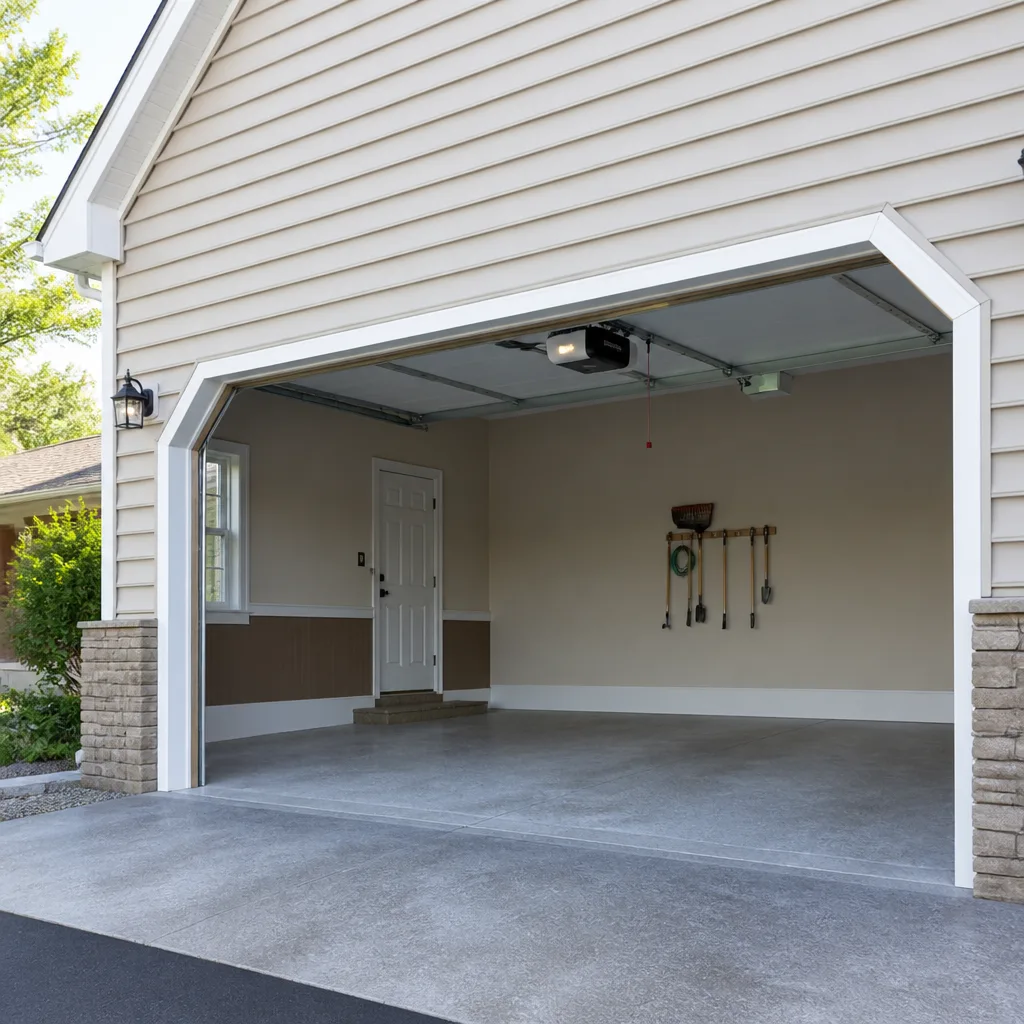 LiftMaster openers
 Chamberlain openers
Full 25-point door and opener safety check with every visit - springs, cables, rollers, tracks, and your LiftMaster or Chamberlain opener included
You get a price before we start. It does not change when the pro arrives.
Get your free estimateGarage Door Permits, Codes & Inspections in Deerfield Beach, FL: What You Need to Know
Homeowners here tend to assume that a garage door swap is a simple like-for-like purchase, somewhere between replacing a light fixture and repainting a shutter. But a garage door is a large moving element on the windward face of a house in a high-wind region. In Broward County, that puts most replacements inside the permit system – not as paperwork for its own sake, but because the door has to be proven to hold under wind pressure the manufacturer has actually tested. This guide covers when a permit is required in Deerfield Beach, how to check that your door carries the right state approval before it’s ordered, what an inspection actually looks at, and what retroactive permitting involves if you inherit or already own an unpermitted installation.
Quick Answer
In Deerfield Beach and across Broward County, replacing a garage door generally requires a building permit with a product approval submitted, while repairing springs, cables, rollers, tracks or an opener assembly usually does not. The permit question turns on whether you’re changing the door assembly itself, not on whether the work is serious. Before any new door is ordered, confirm it carries a Florida Product Approval valid for Broward County’s wind requirements – that approval is what the inspection is verifying.
Styles & brands we work with
- Raised-panel steel
- Carriage house
- Modern flush
- Full-view glass
- LiftMaster openers
- Chamberlain openers
Table of Contents
- When does garage door work need a permit in Deerfield Beach?
- Replacement vs. repair vs. opener-only: where the permit line falls
- How to verify Florida Product Approval before the door is ordered
- What a Broward County garage door inspection actually checks
- How permit records affect a Florida home sale
- Retroactive permitting for an unpermitted installation
- The step-by-step permit process for a replacement door
- Frequently Asked Questions
When does garage door work need a permit in Deerfield Beach?
Garage door replacement in Deerfield Beach generally requires a building permit. Repair of the components that make an existing door work – springs, cables, rollers, hinges, tracks, the opener motor – generally does not. That’s the clean split, and it holds across most of Broward County, though the city’s building department is always the authority on any individual address, so it’s worth a phone call before you commit to a scope of work.
What surprises people is that the split has nothing to do with cost or how much work is involved. A matched pair of torsion springs is a serious, high-skill job that takes real expertise to do safely. It doesn’t require a permit. A same-day swap of a standard single-car door can require one. The rule follows the product, not the labor.
Here’s the reasoning behind it. A replacement door is a new structural product on the building envelope, and in a high-wind region that envelope has to be demonstrated to hold. The permitting system exists so that the product installed on your house has documented wind performance, and so that a record exists showing the installation matched the approved product. Repair work reuses the existing, already-approved assembly, so there’s nothing new to document.
In practical terms, in Deerfield Beach you should expect a permit scenario when:
- You’re replacing the door with a different door, even of the same size.
- You’re changing the door’s opening dimensions or the way it’s anchored to the structure.
- You’re converting a manual door to an opener-driven door in a way that changes the assembly.
- You’re replacing a door that was originally installed without approval on record.
And you should expect no permit needed when the work is component repair on a door that stays in place. That’s most of what a garage door technician does on a typical day in Deerfield Beach, and it’s exactly the kind of garage door repair that keeps a door in service without touching the permit system at all.
Does a permit requirement mean a slow job?
No, unless the door has to be ordered. Permit review and door lead time usually overlap, so a replacement that would have taken a couple of weeks for the door doesn’t typically add much beyond that. We don’t promise a schedule – timelines depend on the city, the door supplier, and the approval documentation – but the point is that the permit isn’t usually the bottleneck. Product lead time is. That’s worth knowing if you’re planning a replacement around a closing date or a renovation schedule, and it’s a conversation to start early rather than the week before.
Replacement vs. repair vs. opener-only: where the permit line falls
Most confusion comes from bundling. A homeowner hears “we’ll need a permit” and isn’t sure whether that refers to the door, the opener, or the spring that started the whole conversation. They’re three different things. Here’s how the line usually falls in Broward County, with the caveat that Deerfield Beach’s building department makes the final call on any address.
- Full door replacement: generally requires a permit. New product, new wind performance documentation, new inspection.
- Panel replacement: depends. Replacing a damaged section on the same approved door model usually doesn’t require a permit; a panel that changes the door’s rated assembly does, and the door’s approval documentation tells you which panels belong to the rated product. Ask before ordering.
- Spring, cable, roller, hinge, and track repair: generally no permit. These are component repairs to an existing assembly.
- Opener replacement or garage door opener repair: generally no permit. The opener is an appliance on the inside of the door, not part of the wind-rated envelope. If you’re swapping a LiftMaster or Chamberlain unit for a new one of similar capability, that’s typically a repair-scope job.
- Adding an opener to a manual door: ask the city. The door doesn’t change, so it’s usually treated as an appliance addition, but the anchoring and reinforcement that come with it sometimes raise questions.
- New construction or a new opening: permit required, and it’s part of the larger building permit for the project.
The rule of thumb we give people: if the door itself is going to be a different physical product, plan for a permit. If the door stays and something on it gets fixed or replaced, you’re likely outside the permit system. When in doubt, a two-minute call to the Deerfield Beach building department settles it, and it’s a lot faster than discovering the answer during a sale.
Why the opener question comes up so often
Openers fail more often than doors do, and homeowners reasonably wonder whether a new motor unit pulls a permit with it. It usually doesn’t. In our experience, the opener is treated as equipment rather than structure. The exception is when installing it involves new wiring or a new circuit – electrical work has its own permitting rules, separate from the door. If your opener replacement also means running a new circuit to the garage, that’s the electrical contractor’s permit question, not the door’s.
We service openers as a separate, named line of work, and that separation matters here: which parts of your garage door system are inside the permit system and which aren’t is something a specialist has to be able to explain clearly. It’s the sort of thing we end up walking Deerfield Beach homeowners through during an estimate, because it changes what the job actually includes.
How to verify Florida Product Approval before the door is ordered
Florida Product Approval, usually shortened to FPA, is the state’s system for documenting that a building product meets the wind performance requirements for a given region. For a garage door in Broward County, this is the single most important document in the whole project, and it’s the one most likely to be skipped if nobody asks. The approval has to be verified before the door is ordered – once a non-approved door is fabricated and delivered, you own the problem.
The good news: the major manufacturers publish approval documentation, and the widely owned brands – Clopay, Amarr, Wayne Dalton, Raynor, and others in that tier – typically have approved assemblies for Broward County’s wind requirements. The brand isn’t usually the risk. The risk is ordering the right brand in the wrong configuration.
What to check, in order
- Get the exact model and configuration in writing. Width, height, panel style, glazing, reinforcement – the approval is tied to a specific assembly, not to a brand in general.
- Ask for the Florida Product Approval number for that exact configuration for Broward County’s wind zone. A legitimate supplier has this on hand and produces it quickly.
- Look it up yourself. Florida’s product approval system is publicly searchable, so you can confirm the number matches the product and the county. This is the step that catches mistakes before they get expensive.
- Confirm the installation method matches the approval. The approval includes an anchoring method – the number and type and placement of fasteners into the structure. A door installed a different way isn’t the approved assembly, even if the door itself is approved.
- Match the printed label on the delivered door to the approval number. Doors carry product identification, and the inspector will check that it lines up with what was submitted.
That fourth step is the one people miss. The product approval covers the door and its installation as a system. We’ve seen installations where the right door went in with the wrong anchoring, and it creates exactly the kind of problem the permit was supposed to prevent. If you’re hiring an installer in Deerfield Beach, ask how they confirm the anchoring method against the approval. A specialist answers that question without hesitation.
What if the door you want isn’t approved?
Then it isn’t the door for this county, at least not without an engineered alternative. There’s a process for alternative approvals, but it’s slower and more expensive than choosing an approved configuration in the first place. In practice, the useful move is to pick your door from the approved configurations rather than picking a look and hoping it can be approved afterward. Most homeowners find an approved door that they like within a short conversation, because the approved catalogue is wide.
One more point: the approval question is why we can’t quote a replacement door as a fixed product price without knowing the configuration. A free estimate in Deerfield Beach includes confirming the model and configuration and its approval status, because that determination is part of the job, not an afterthought.
What a Broward County garage door inspection actually checks
A Broward County garage door inspection isn’t a general safety walkthrough. It’s a verification that the installed product matches the approved product and that the installation follows the approved method. The inspector is checking a specific set of things, and knowing what they are helps you make sure the job is done properly the first time rather than corrected later.
Expect the inspection to look at:
- Product identification. The door’s label or marking is matched against the Florida Product Approval number submitted with the permit.
- Model and configuration. Width, height, panel type, and glazing match the approved assembly – not a close cousin of it.
- Anchoring. The fasteners into the surrounding structure match the approval’s specified method: type, size, count, and placement.
- Reinforcement and struts. Any wind reinforcement called for in the approved assembly is present and installed where it’s specified.
- Track and hardware attachment. Tracks and brackets are secured to structure, not to finish materials.
- Clearance and operation. The door travels without binding, the opening and closing limits are set, and the safety reverse function works.
- Labeling visible and intact. The approval markings remain readable and in place after installation.
For an existing door being brought into compliance, the inspection looks at what’s actually installed and compares it to what the approval record says should be there. That’s why retroactive permitting usually involves some physical work: an older door with undersized anchors or missing reinforcement fails on the anchoring check even if the door itself is the approved model. The remedy isn’t a new door. It’s correcting the installation to match the approval.
What the inspection doesn’t cover
The inspection doesn’t evaluate spring wear, cable condition, or opener electronics. Those are wear items and repair concerns, not code compliance. That’s why a door that passes inspection can still need garage door spring repair a couple of years later – the two processes answer different questions. A door that’s code-compliant and a door that’s currently safe to operate aren’t the same claim, and it’s worth knowing which question you’re asking.
Our technicians have up to 15 years of experience, and in that time we’ve learned to separate the two conversations clearly. A replacement job involves the permit process. A worn spring involves a repair visit and, often, a specialist you can call for the whole door system rather than a permit application.
How permit records affect a Florida home sale
Florida buyers’ agents are trained to pull permit history, and a garage door replacement without a permit shows up as a gap. During a sale, a missing permit for a door replacement is the kind of item that turns into a closing-table negotiation – a credit requested, an escrow holdback, or a buyer asking the seller to obtain the permit retroactively before closing. None of that is fatal, but it’s all avoidable with a permit at the time of installation.
The disclosure angle is the one most homeowners don’t think about. In Florida, sellers complete a property disclosure, and questions about unpermitted work and known code issues fall inside that. If you replaced a garage door without a permit and you know it, that’s an item with disclosure implications. If you inherited the situation when you bought the house and never checked, you may not know until the buyer’s agent pulls the record. Asking the question now is better than discovering the answer under contract.
What a buyer’s agent typically does, and what you can do to match it:
- Pull the permit history for the address. This is a routine step in a Florida transaction, not an unusual one.
- Look for a final inspection on any door replacement. A permit pulled but never closed out is nearly as much of a flag as no permit at all.
- Confirm the installed door matches the approval on record. A mismatch means the door on the house isn’t the door the permit described.
- Flag gaps to the buyer for a follow-up question. A missing permit will come up in the negotiation, so knowing about it before you list gives you time to deal with it.
The manufacturer warranty angle
Warranty coverage can be affected when installation doesn’t meet the manufacturer’s requirements, and the approved assembly and installation method are part of those requirements. If the door wasn’t installed to the approved configuration, a warranty claim later on becomes harder to make. The exact terms vary by manufacturer and product, so the right move is to read the door’s warranty documentation – and, more usefully, to have the installation done to the approved method so the question never comes up.
The storm-liability point follows from the same logic. A door installed outside the approval isn’t the assembly the county’s wind performance rests on, and if it fails during a named storm and damages a neighbor’s property, having that on record complicates your position. We’re not attorneys and we don’t give legal advice; if you have an unpermitted installation and are concerned about liability, that’s a conversation with a Florida attorney. The practical, engineering-side answer is to get the installation brought into compliance.
Retroactive permitting for an unpermitted installation
If your Deerfield Beach home has a garage door that was replaced without a permit, you can usually fix the record, but it takes longer and involves more paperwork than doing it the normal way. The process varies by the door’s age and condition, and the only authority on your specific address is the city’s building department. Here’s the sequence as it typically runs:
- Pull the existing permit history. Confirm there’s no permit and no closed-out record for the current door. Sometimes the permit exists and just wasn’t closed, which is a simpler situation.
- Identify the door and its approval status. The model and configuration have to be determined, and the Florida Product Approval number located for that configuration. If the door is old enough that its approval is no longer current, this step gets harder and sometimes the answer is replacing the door.
- Contact the city building department. Explain that you have an existing unpermitted installation and ask what they require to permit and inspect it. Some cities want an affidavit explaining when and how the work was done. Ours can tell you exactly what they need.
- Apply for the permit as an existing installation. This typically means a permit application describing the installation as it stands, with the product approval documentation attached.
- Correct what the inspection flags. This is where retroactive permitting usually involves real work. Anchoring, reinforcement, or hardware often has to be brought up to the approved method before the inspection passes.
- Pass the inspection and close the permit. Once the record is closed, the door is documented and the sale question goes away.
On time and cost: expect the permitting timeline to exceed a standard replacement, because the application is less straightforward and inspections are more likely to find something to correct. We don’t quote a specific figure for retroactive permitting because it depends on how much correction the door needs, and because the city’s fees and requirements should come from the city. What we can say is that in our experience the work of bringing an installation into compliance is usually less than a full replacement, but more than a typical repair visit.
How the Deerfield Beach climate plays in
This part of South Florida sees heavy summer rain and the wind that comes with the wet season, and the garage door is the largest opening on the typical house. That’s why the wind performance of the door assembly isn’t an abstract code point here – it’s the reason the requirement exists. It’s also why we pay attention to the anchoring method on every replacement we quote in Deerfield Beach, regardless of whether a permit is involved. A door set into a wall correctly handles the pressure; one anchored to finish material doesn’t. The permit process makes that check mandatory, which is the useful part of it.
The step-by-step permit process for a replacement door
Here’s how a properly permitted replacement runs for a typical Deerfield Beach home. This is the sequence; the city’s specific requirements and forms are theirs to confirm, and lead times vary by product.
- Measure with the permit scope in mind. Before a door is ordered, the opening is measured and the configuration decided. This step determines what gets approved, so it comes first.
- Select an approved door configuration. The model, size, panel style, and glazing are chosen from configurations that carry Florida Product Approval for Broward County. This is where the approval check happens, and it happens before the order.
- Prepare the permit application. The application goes in with the product approval documentation and the installation details. The contractor handles this if you’re having the work installed.
- Order the door once approved. Ordering before approval is how non-compliant doors get onto houses. The approved configuration is what gets fabricated.
- Remove the old door safely. Old doors carry spring tension, and the springs are the dangerous part of a door system. Removal and installation both involve spring tension handling, which is work for trained technicians with the right tools.
- Install to the approved method. The door goes in with the anchoring, reinforcement, and hardware the approval calls for. This is the step that decides whether the inspection passes.
- Set up the opener and safety functions. Travel limits, force settings, and safety reverse are set and tested. Openers are a separate line of work, and on a replacement the existing unit is often reused unless it’s reached the end of its life.
- Inspection. The inspector verifies the product, the configuration, the anchoring, and operation. Passing closes out the compliance question.
For openers, the sequence is different and shorter: identify what’s failing, confirm the replacement unit, install, and test. In our experience, that’s a straightforward job with no permit step for the opener itself. We service the major brands – LiftMaster, Chamberlain, and Genie among them – so most households in Deerfield Beach don’t have to worry about whether their specific unit is supported. It’s the same reason we work with the specialists homeowners around here rely on for full brand coverage: knowing the equipment matters more than advertising it.
If you’re deciding between a repair and a replacement, the permit question can actually help clarify the decision. If the door is otherwise sound but the spring has failed, that’s a repair and no permit. If the door itself is failing – panels cracking, the assembly not holding up – then you’re into replacement territory and the permit process. The starting point is a technical assessment of the door rather than a sales visit, which is why we ask what failed before talking about what to install.
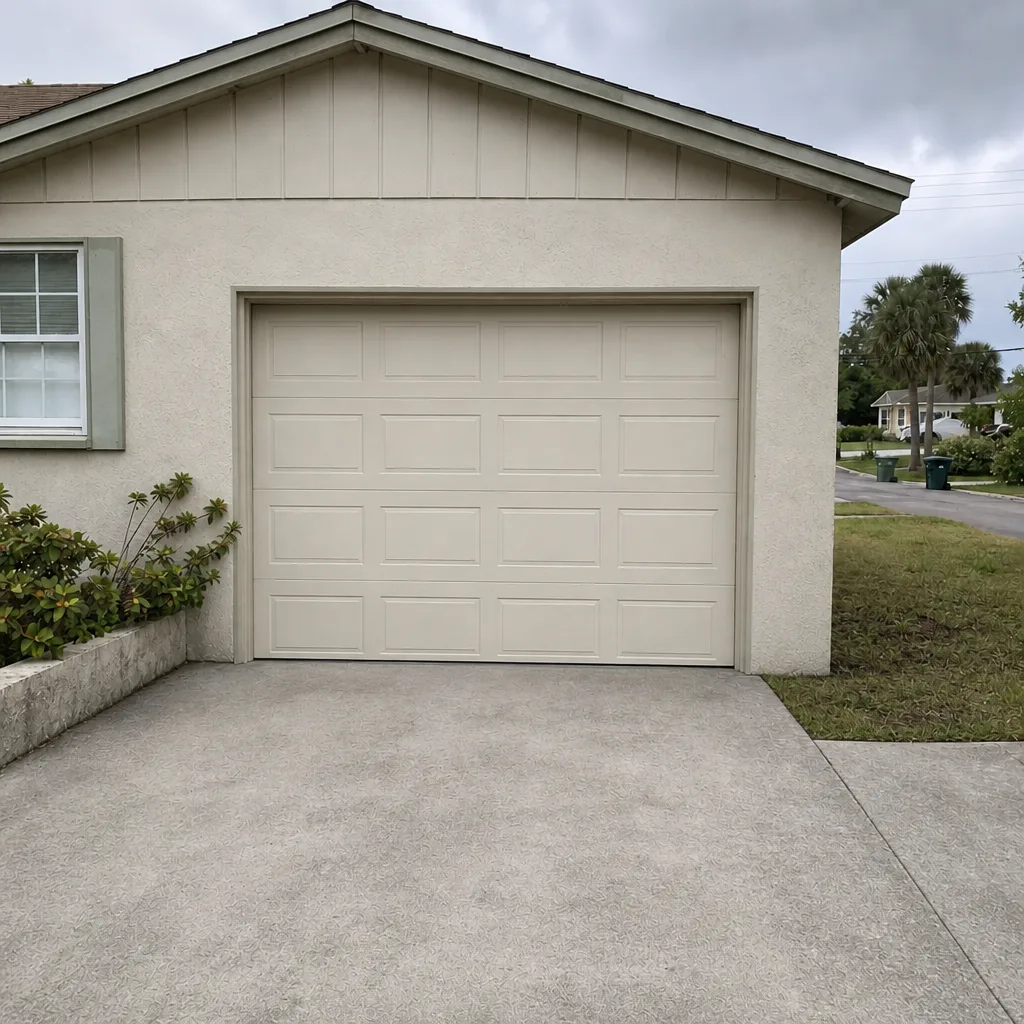
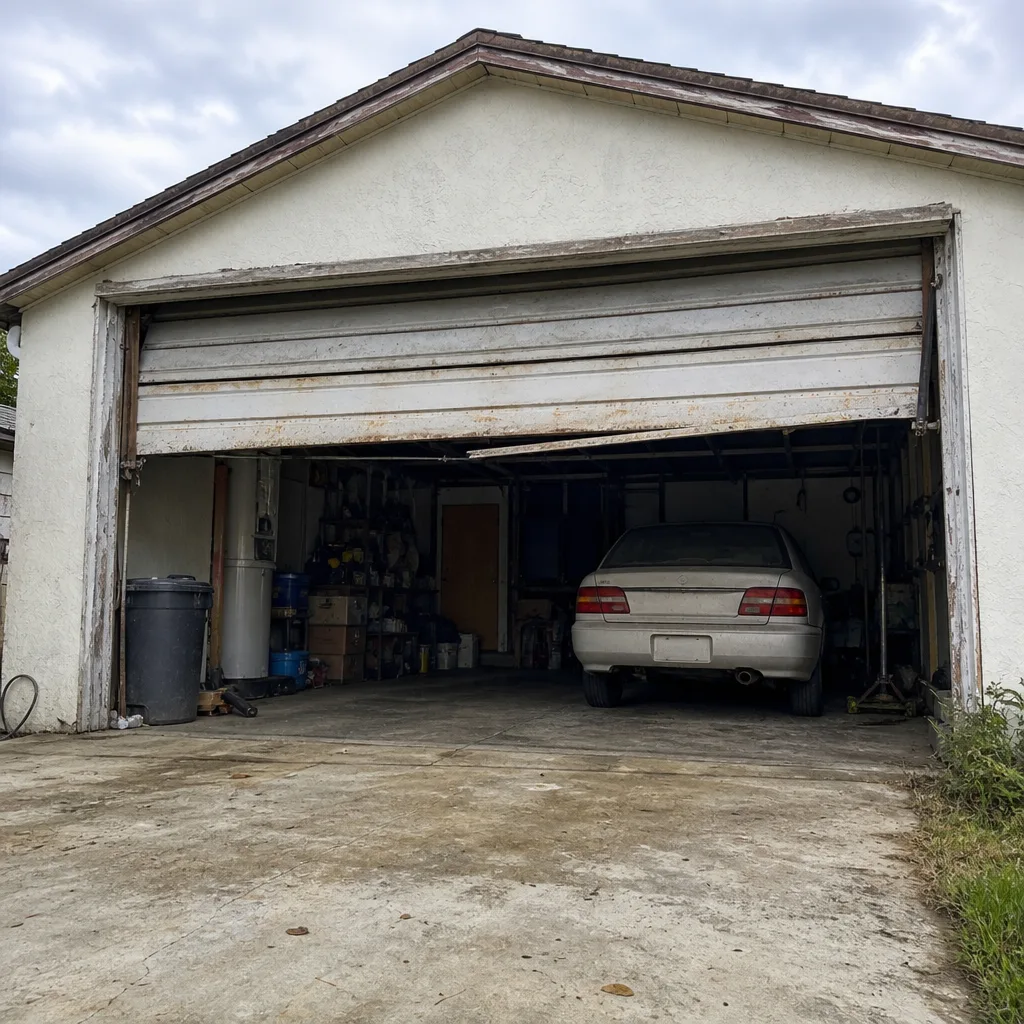
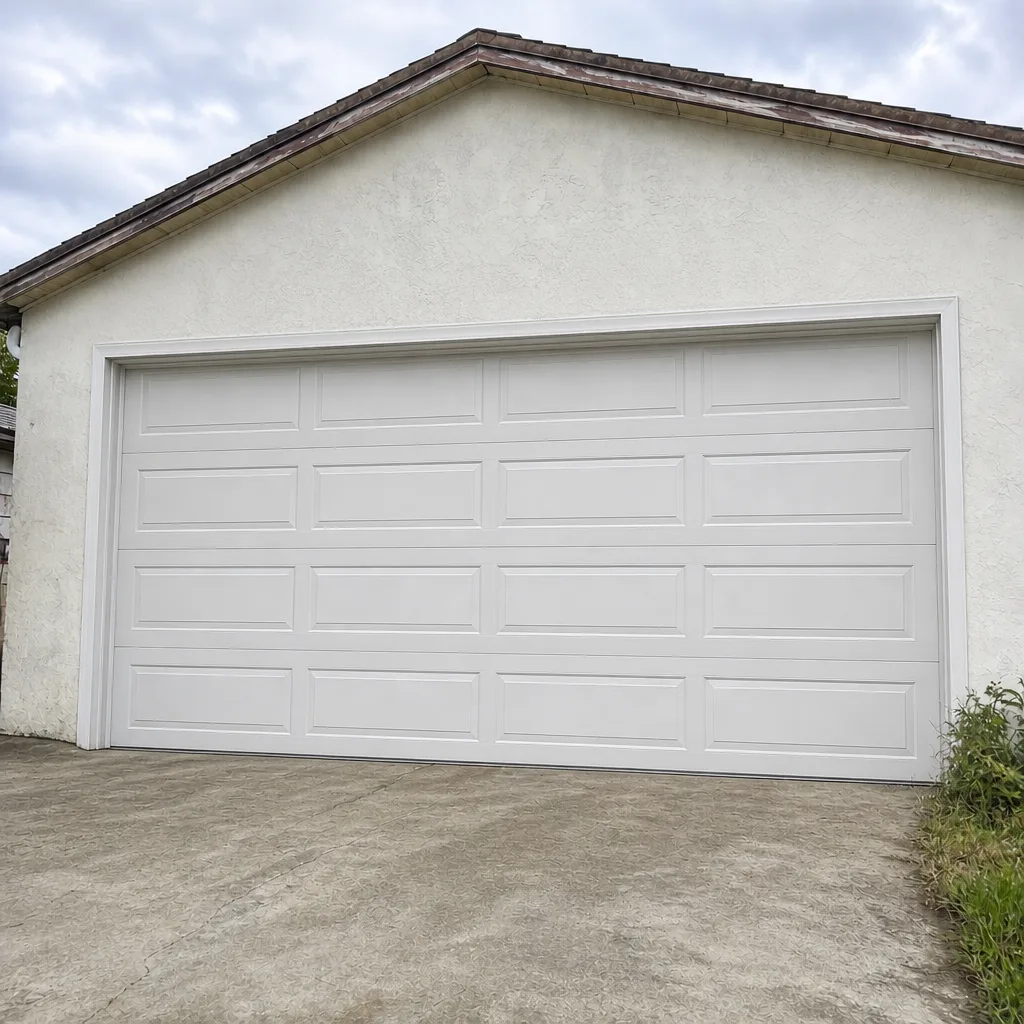
See the difference
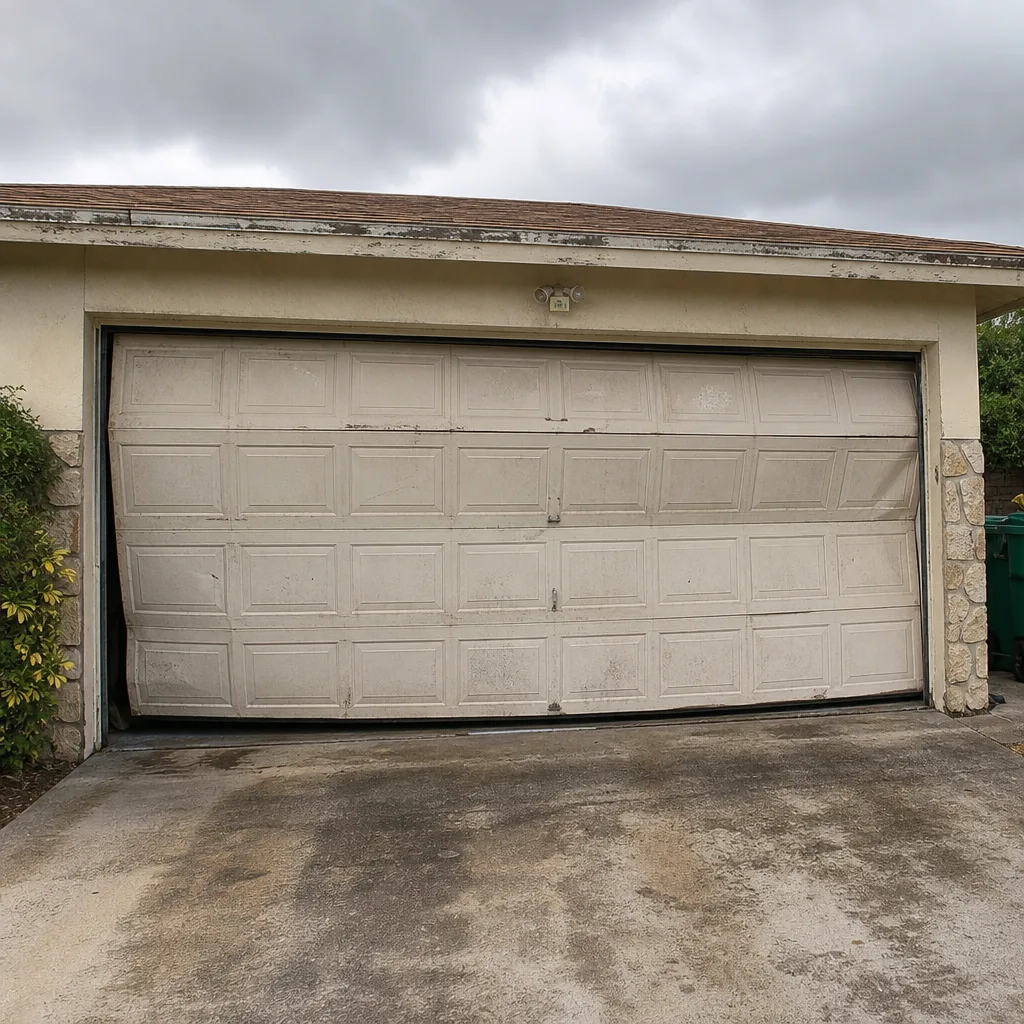 Before
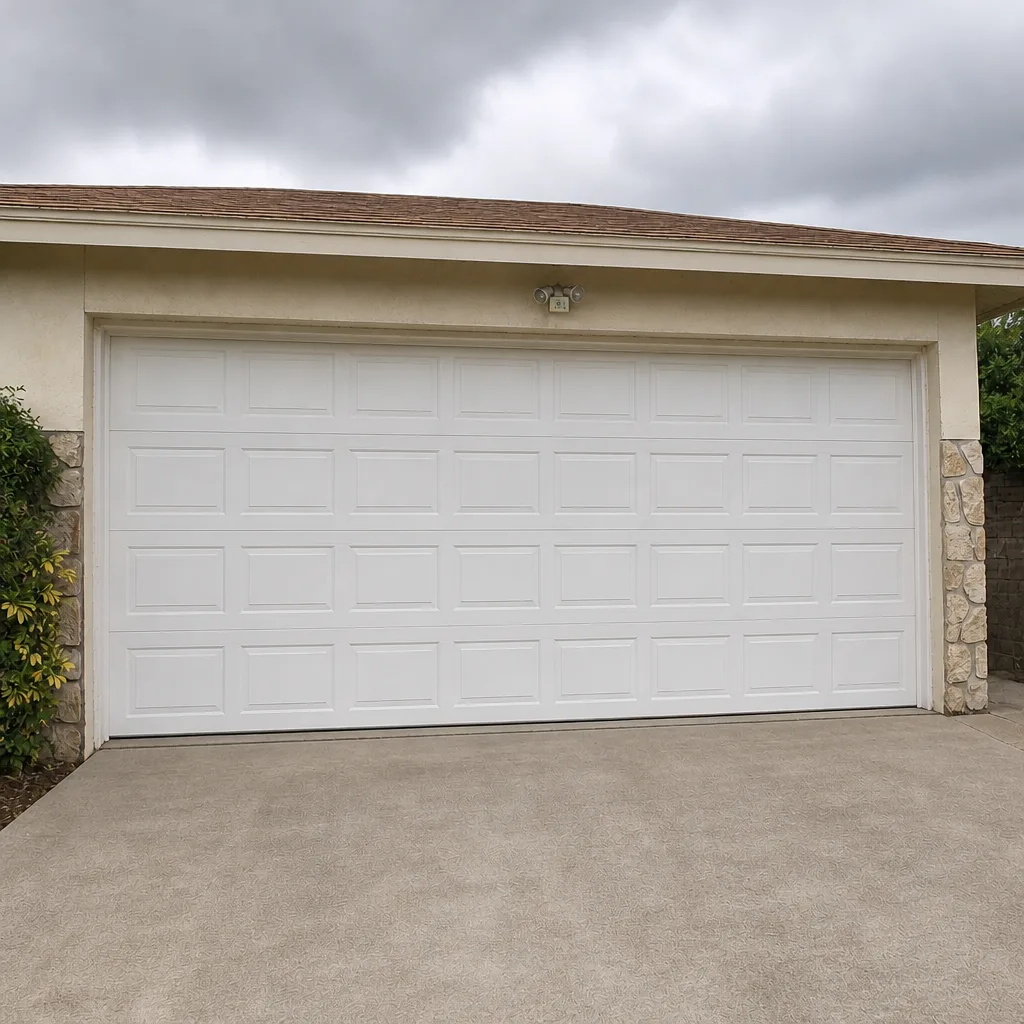 After
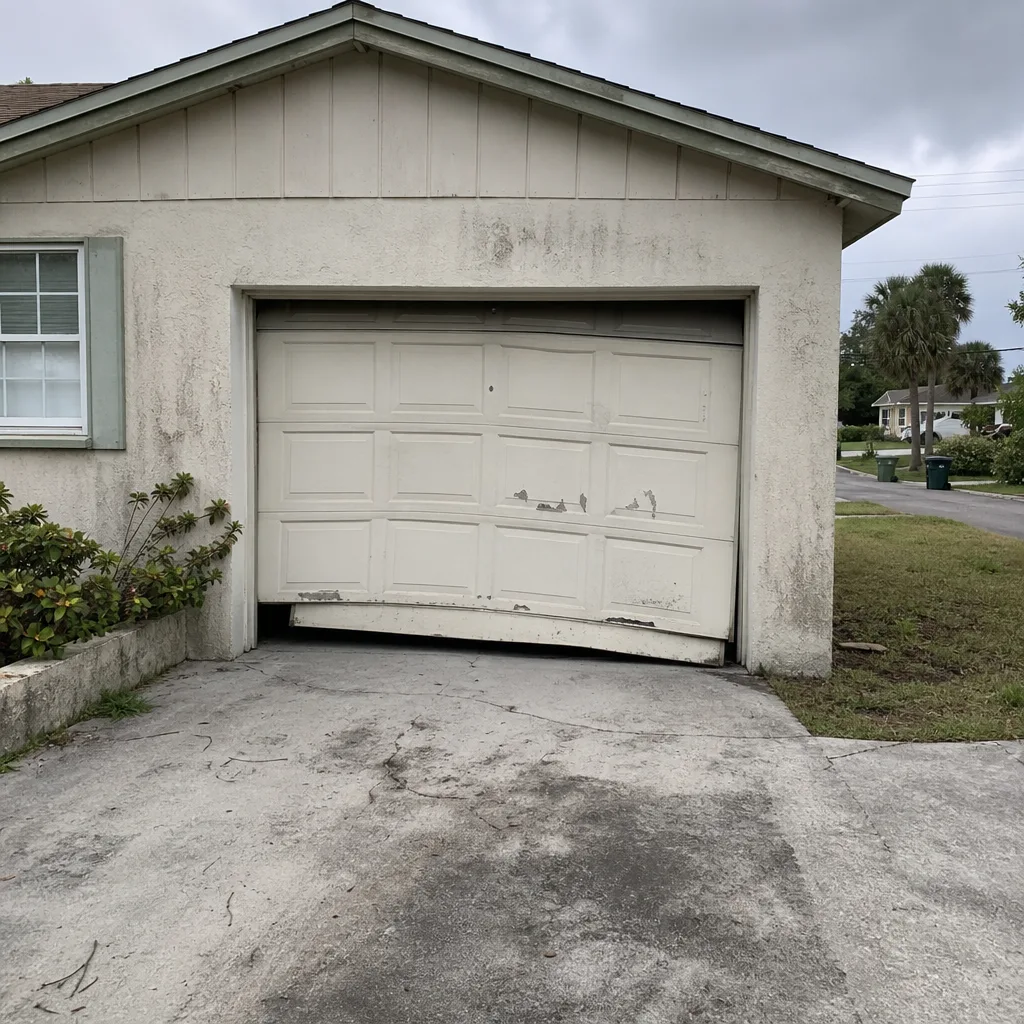 Before
 After
 Before
 After
Common Mistakes to Avoid
- Ordering the door before checking the approval. The most expensive mistake on this list. Once a non-approved configuration is fabricated and delivered, it’s your door, and there’s no clean way to install it. Check the approval first, then order.
- Assuming all replacement work falls under the same rules. Springs and openers get treated as repair-scope work; the door itself doesn’t. Bundling them in your head leads to either unnecessary permit anxiety or a missed permit, depending on which way you guess.
- Leaving a permit pulled but not closed. A final inspection that never happened shows up in a sale just as clearly as no permit at all. If a permit was pulled, see it through. It’s a common gap in Deerfield Beach.
- Installing the right door with the wrong anchoring. The product approval covers the installation method as well as the product. Skipping the anchoring detail means the assembly isn’t approved even if the door is, and it’s an inspection failure waiting to happen.
- Accepting a verbal “it’s approved” without a number. Approval is a document with a number you can look up. Ask for the number and search it. Any legitimate supplier or installer has it.
- Waiting until the sale to discover the missing permit. Pull the permit history when you’re planning a replacement, not when you’re listing. The information is public either way; getting it early gives you time to act on it.
- Handling springs as a DIY project. Springs under tension are the genuinely dangerous part of a garage door, and the injury risk is real. This is the one item on the list that isn’t about permits at all, and it’s the most important.
When to Call a Professional
Call a professional for anything involving the spring system, cables, and the door’s counterbalance – that’s the part of the trade where the risk isn’t theoretical. Call for a door that’s come off its tracks, an opener that’s failed with the car inside, a door that won’t close and leaves the house open, or a panel damaged in a storm. Call when you’re planning a replacement too: the approval check and the permit scope are both decisions made before anything is ordered, and getting them wrong is more expensive than getting them right.
Deerfield Beach Garage Door Repair Co offers free estimates in Deerfield Beach – call (866) 937-7969. The price is quoted and agreed before any work starts, and it doesn’t change once we see the door. We answer 24/7, with fast dispatch from 7am to 7pm, Sunday through Friday.
Frequently Asked Questions
In most cases, yes. A garage door replacement in Broward County generally requires a building permit with Florida Product Approval documentation submitted, because the door is a wind-rated product on the building envelope. Confirm with the Deerfield Beach building department for your specific address before ordering, and keep the approval number on hand. Call (866) 937-7969 for an exact quote on your replacement – estimates are free.
Usually not. The opener is treated as equipment rather than part of the wind-rated door assembly, so replacing a LiftMaster, Chamberlain, or Genie unit is typically a repair-scope job. If the work also involves running a new electrical circuit, that separate electrical work has its own permit rules. Call (866) 937-7969 for an exact quote on opener work – estimates are free.
No. The written estimate sets the price, and it’s agreed before any work starts. We quote from what the door actually needs, not from a phone guess, which is why the estimate is free and there’s no cost to having us look. If we find something additional once we’re on site, we tell you before doing it. Call (866) 937-7969 for an exact quote – estimates are free.
The local professionals we connect you with are licensed and insured as their state requires. Spring and cable work is the highest-risk part of this trade, and we won’t send anyone to a door who isn’t qualified for it. Call (866) 937-7969 with the door type and brand and we’ll tell you what the job involves – estimates are free.
For repair work, often yes. We answer 24/7, and fast dispatch runs 7am-7pm, Sunday through Friday. A call outside dispatch hours is booked into the next opening, Sunday through Friday, 7am to 7pm. Same-day work suits repair topics, not replacement – a new door has to be measured, approved, and ordered first. Call (866) 937-7969 for an exact quote – estimates are free.
A single spring typically runs about $180-$340, and a matched pair is usually replaced together at roughly twice that. Springs under tension are genuinely dangerous, so this isn’t a job to take on without the right training and tools. The written estimate sets the final price. Call (866) 937-7969 for an exact quote – estimates are free.
The Bottom Line
The permit question comes down to whether the door itself is changing. Replace the door and you’re in a permitted process with Florida Product Approval at its center; repair a spring or an opener and you’re not. Verify the approval number before anything is ordered, make sure the anchoring matches the approved method, and close out the final inspection. Do that and the compliance question never follows you into a sale. If you’re in Deerfield Beach and unsure which side of the line your job falls on, call and ask – it’s the kind of question we answer without a sales angle.
Written by the team at Deerfield Beach Garage Door Repair Co.